If you’re in the market for sheet metal parts, chances are you’ve run into a bad batch at some point. Maybe those brackets you ordered for a custom machine didn’t bend right, or the holes were misaligned so bad they couldn’t line up with your fasteners. As a sheet metal supplier of 10 years, I’ve seen just about every common defect crop up, and most of them aren’t random—they tie back to small missteps in the process, from design to finishing. Let’s break down the ones I see most often, what causes ’em, and how we fix ’em for our clients. Sheet Metal Parts
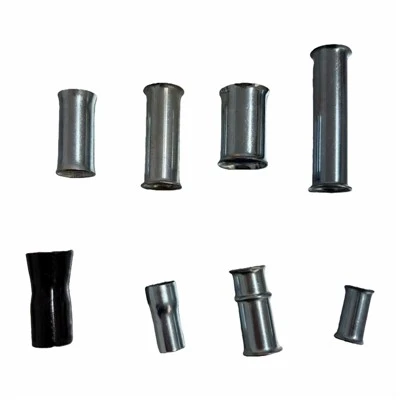
First up: burrs. You know, those tiny sharp metal edges left after cutting, punching, or shearing. They might seem like a tiny annoyance, but trust me, they’re a big problem. If you’re putting parts together, a burr can scratch your assembly team’s hands, not to mention make a poor fit between two pieces. I once had a client in the aerospace industry send back a whole shipment because a burr on a sensor mount caught a wire, causing a short. That wasn’t a fun call to take. Why do burrs happen? It’s usually three things: the tool’s dull, the cutting speed is off, or the clearance between the tool and the material isn’t set right. For thin gauge steel, we adjust the punch’s clearance to be almost as thin as the sheet itself, and for thicker stuff, we widen it just a little so the cut doesn’t tear. We also add a deburring step at the end of every order—sometimes a vibratory tumbler for small parts, sometimes a manual grind for tight edges—so our clients don’t have to do it themselves.
Next, warping. This is when a flat part comes out curved or twisted, like a warped picture frame. It’s super common with thin sheet metal, especially when you’re doing a lot of bending or welding. When you heat a spot for welding, or bend a section hard, the metal’s grain stretches unevenly, and when it cools, it doesn’t shrink evenly, so it pulls the part out of shape. I’ve had a customer order 50 enclosure panels, and half came back warped bad enough that the door wouldn’t sit flush. We fixed it by switching to a slower bending process—using a press brake with a gradual bend instead of a sharp, quick one—and adding a stress relieving bake after any welding. We heat the parts up to 300 degrees for a couple hours, which lets the metal’s grains settle evenly, so when it cools, it stays flat. It adds a little time to the order, but it saves us from returns, and keeps our clients from having to spend hours sanding or bending parts back straight.
Misaligned holes or punched features. If you’re drilling or punching a series of holes for bolts, they need to line up exactly, right? But sometimes, even a small shift in the tool, or a tiny bit of material shifting during cutting, can make a hole off by a millimeter—enough to make the part unusable. Last month, a small robotics company sent us a set of arm brackets where two of the four mounting holes were 0.8mm off center. That’s not a big difference on its own, but it meant they couldn’t use their standard bolts, so they had to slow down their whole assembly line to drill new holes. Why does this happen? A lot of cheaper suppliers will run too many parts at once without checking the tool’s alignment first, or they don’t clamp the material down tight enough, so it moves when the punch hits it. For our shop, we check every tool’s alignment before a job starts, and we use digital clamps that hold the material perfectly still, even for thin aluminum that’s easy to shift. We also do a first-part inspection on every order, so if a hole is even 0.5mm off, we catch it before we run 100 more bad parts.
Scratches or surface marks. This is the bane of our existence, especially for clients who need a smooth, clean finish—like display cases, or medical equipment parts. A scratch that’s just a little too deep can ruin a whole part’s look, or even break a protective coating later. We’ve had clients reject parts because a 2mm scratch on a stainless steel trim piece was visible when it was installed. Most scratches happen during handling—either when the material is being loaded into the machine, or when parts are stacked together after finishing. We solved this a couple years ago by adding custom foam liners for part trays, so when parts are stacked, they don’t rub against each other. We also make sure our cutting and bending machines are cleaned regularly—small metal shavings left on the table can drag across a part and leave a deep scratch. It’s a small detail, but it makes a huge difference for our clients who care about appearance.
Tearing or distortion during bending. When you bend a sheet metal part, the outside of the bend stretches, and the inside compresses, right? If you bend too sharp, or the material is too thin for the bend angle, the outside will tear, leaving a crack that’s way too big to fix. I saw this a few months ago with a client who ordered a set of corner brackets for a shipping container—they tried to use a 90-degree bend on 1mm thick steel, which tore halfway along the bend. Why? They didn’t account for the bend radius. Every material has a minimum bend radius—for steel, it’s usually half the material’s thickness. We always tell clients to design bend radii at least that big, and if they need a sharper bend, we use a scoring tool first to weaken the outside a little, so it doesn’t tear. We also test bend angles on a sample part before we run the full order, so we catch if the bend is too sharp before all parts are messed up.
Incorrect material gauge or type. Wait, this is more of a supplier mistake, but it’s super common. A lot of cheaper suppliers will use a thinner gauge steel than what’s ordered, or mix in a different type of metal (like aluminum when stainless was specified) to cut costs. We once had a client send a bad part back because their stainless steel brackets rusted after a month—turns out the supplier used regular carbon steel, which rusts when exposed to moisture. That’s a huge problem because it ruins the part’s durability and safety. For our shop, we have a two-step check for material: when it arrives, we test it with a metal analyzer to confirm it’s the right type, and we weigh a sample sheet to make sure the gauge is correct. We keep a log of every material batch, so if there’s a problem, we can track it back. No cutting corners here—our clients depend on the material being exactly what they ordered.
Weld defects. If your sheet metal part has welds, things like porosity, incomplete fusion, or spatter can make the part weak. Porosity is tiny air pockets in the weld, which make it less strong, and spatter is little bits of metal that stick to the part after welding, which are hard to remove and can cause corrosion. Last year, a construction company ordered a set of steel frames for a roof, and half the welds had spatter that couldn’t be sanded off, so they had to rework every part. We fixed this by switching to MIG welding with a shielding gas that’s specific to the material, so there’s less porosity, and we use a anti-spatter spray during welding that makes the spatter easy to wipe off later. We also do a weld strength test on a sample weld for every order, so we know it’s strong enough for whatever the part is used for.
Now, why does all this matter to you? Whether you’re a small business making custom parts or a big company building industrial equipment, a defective sheet metal part can cost you time, money, and even damage your reputation. That’s why it’s not just about making parts—it’s about catching these defects before they reach you. As a sheet metal supplier, we don’t just ship parts; we walk through every step to make sure they work for your application.

If you’ve had bad experiences with sheet metal parts in the past, or if you’re working on a new project and want to make sure your parts are right, reach out to us. We can talk through your design, answer any questions, and make sure your parts are made to fit, last, and work the way you need.
Hardware Parts References
- Smith, J. (2022). Common Defects in Sheet Metal Fabrication. Journal of Precision Manufacturing, 18(3), 45-52.
- Jones, M. (2021). Stress Relief Methods for Thin Gauge Sheet Metal. International Journal of Manufacturing Technology, 56(2), 112-119.
- Lee, S. (2020). Quality Control in Sheet Metal Punching Operations. Proceedings of the Annual Fabrication Engineering Conference, 97-104.
- Garcia, R. (2023). Surface Finish Defects in Sheet Metal Parts. Corrosion Prevention and Control Journal, 69(1), 22-28.
- Patel, A. (2022). Bend Radius Guidelines for Sheet Metal Forming. Manufacturing Processes Journal, 14(4), 78-85.
- Wilson, D. (2021). Material Verification in Sheet Metal Supply Chains. Supply Chain Quality Management Review, 12(3), 55-61.
- Taylor, B. (2020). Weld Defect Prevention in Sheet Metal Fabrication. Industrial Welding Journal, 45(2), 33-39.
Cixi Yicheng Auto Parts Factory
As one of the most professional sheet metal parts manufacturers and suppliers in China, we have world-leading production equipment and strong manufacturing capabilities. Please rest assured to buy high quality sheet metal parts made in China here from our factory. Welcome to contact us for custom service and OEM&ODM service.
Address: No.758, Zhangxinbei Road, Xiaolin Town, Cixi City, Ningbo City, Zhejiang Province
E-mail: 1193784796@qq.com
WebSite: https://www.cixiyc.com/
