As a supplier of dump trailers, I understand the critical role that the hydraulic system plays in the performance and reliability of these heavy – duty vehicles. A well – functioning hydraulic system ensures smooth and efficient operation of the dump trailer, allowing it to lift and lower loads with ease. In this blog post, I’ll share valuable insights on how to check the hydraulic system of a dump trailer, which will help both our customers and potential buyers keep their equipment in top – notch condition. Dump Trailer
1. Pre – inspection Safety Precautions
Before beginning any inspection of the hydraulic system, safety should be the top priority. First, make sure the dump trailer is parked on a level surface and the parking brake is engaged. This prevents any unexpected movement of the trailer during the inspection. Next, turn off the engine to avoid any accidental activation of the hydraulic system. It’s also a good idea to wear appropriate safety gear, such as gloves and safety glasses, to protect yourself from any hydraulic fluid spills or debris.
2. Visual Inspection
2.1 Check for Leaks
One of the most obvious signs of a problem in the hydraulic system is fluid leakage. Start by visually inspecting all the hydraulic hoses, fittings, and cylinders for any signs of fluid seepage. Look for wet spots, drips, or puddles of hydraulic fluid around these components. Leaks can occur due to worn – out seals, loose fittings, or damaged hoses. If you find a leak, it’s important to address it promptly to prevent further damage to the system and to ensure the safety of the operation.
2.2 Examine Hoses and Fittings
Inspect the hydraulic hoses for any signs of wear, cracking, or bulging. Over time, hoses can become prone to damage due to constant flexing, exposure to heat and chemicals, and abrasion. Check the fittings at both ends of the hoses to make sure they are tight and secure. Loose fittings can cause fluid to leak and can also lead to a loss of pressure in the system.
2.3 Inspect Cylinders
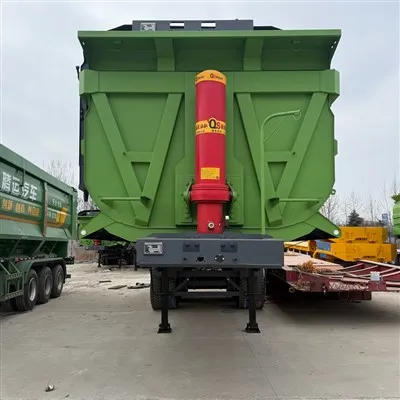
The hydraulic cylinders are responsible for lifting and lowering the dump body. Examine the cylinders for any signs of damage, such as dents, scratches, or corrosion. Check the rod for smooth movement and for any signs of leakage around the seals. If the rod is bent or damaged, it can affect the performance of the cylinder and may need to be replaced.
3. Fluid Level and Quality Check
3.1 Fluid Level
The hydraulic fluid is the lifeblood of the hydraulic system, and maintaining the proper fluid level is crucial for its operation. Locate the hydraulic reservoir, which is usually a large tank on the trailer. Check the fluid level using the dipstick or sight glass on the reservoir. The fluid level should be between the minimum and maximum marks. If the fluid level is low, it may indicate a leak in the system or excessive usage. Add the appropriate type of hydraulic fluid to bring the level up to the recommended range.
3.2 Fluid Quality
In addition to checking the fluid level, it’s important to assess the quality of the hydraulic fluid. The fluid should be clear and free of contaminants, such as dirt, debris, or water. Cloudy or discolored fluid may indicate the presence of contaminants or oxidation, which can damage the hydraulic components. If the fluid appears to be dirty or has an unusual odor, it should be drained and replaced with fresh fluid.
4. Pressure Testing
4.1 Use a Pressure Gauge
Pressure testing is an essential part of checking the hydraulic system. To perform a pressure test, you’ll need a hydraulic pressure gauge. Connect the pressure gauge to the pressure port on the hydraulic pump or valve. Start the engine and operate the hydraulic system to raise the dump body. Monitor the pressure reading on the gauge. The pressure should reach and maintain the specified operating pressure for the system. If the pressure is too low or too high, it may indicate a problem with the pump, valve, or other hydraulic components.
4.2 Compare with Specifications
Refer to the manufacturer’s specifications for the correct operating pressure of the hydraulic system. Compare the pressure reading from the gauge with the specified pressure. If the pressure is outside the recommended range, further investigation is required to identify and fix the problem.
5. Function Testing
5.1 Raise and Lower the Dump Body
Function testing involves operating the hydraulic system to see how well it performs. Start by raising the dump body using the hydraulic controls. Observe the movement of the dump body to make sure it raises smoothly and evenly. Listen for any unusual noises, such as grinding, rattling, or hissing, which may indicate a problem with the hydraulic system. Lower the dump body and repeat the process several times to ensure consistent operation.
5.2 Check for Binding or Sticking
While raising and lowering the dump body, check for any signs of binding or sticking. The dump body should move freely without any resistance. If you notice any binding or sticking, it could be due to misaligned components, damaged cylinders, or a problem with the hydraulic valves.
6. Maintenance and Troubleshooting
6.1 Regular Maintenance
Regular maintenance is key to keeping the hydraulic system of a dump trailer in good working condition. Follow the manufacturer’s recommended maintenance schedule, which may include tasks such as changing the hydraulic fluid, replacing filters, and lubricating moving parts. Regular maintenance can help prevent problems before they occur and extend the lifespan of the hydraulic system.
6.2 Troubleshooting
If you encounter any problems during the inspection or testing of the hydraulic system, it’s important to troubleshoot the issue. Start by referring to the owner’s manual for the dump trailer, which may provide diagnostic information and troubleshooting steps. If the problem persists, it may be necessary to consult a professional hydraulic technician who has the expertise and tools to diagnose and repair the problem.
In conclusion, checking the hydraulic system of a dump trailer is a crucial part of ensuring its safe and efficient operation. By following the steps outlined in this blog post, you can identify potential problems early and take the necessary steps to keep your dump trailer’s hydraulic system in top shape.
As a dump trailer supplier, we are committed to providing high – quality products and excellent customer service. If you have any questions about the hydraulic system of our dump trailers or if you’re interested in purchasing a dump trailer, we encourage you to contact us for further discussion. Our team of experts is ready to assist you with all your dump trailer needs.
Low-bed Trailer References
- Dump Trailer Owner’s Manuals
- Hydraulic System Technical Literature
Shandong Huayuanda Automobile Manufacturing Co., Ltd.
As one of the most experienced dump trailer manufacturers and suppliers in China, our products have good reputation in the market. We warmly welcome you to buy high quality dump trailer at low price from our factory. If you have any enquiry about cooperation, please feel free to email us.
Address: Industrial Park, Quanpu Town, Liangshan County, Jining City, Shandong Province
E-mail: Huayuanda2024@163.com
WebSite: https://www.hydtrailer.com/
