As a supplier of metal stamping dies, I’ve witnessed firsthand the critical role these tools play in various industries. From automotive to electronics, the efficiency and longevity of metal stamping dies are paramount for cost – effectiveness and product quality. In this blog, I’ll share some practical insights on how to improve the durability of metal stamping dies. Metal Stamping Dies

1. Material Selection
The choice of material is the foundation for a durable metal stamping die. High – quality tool steels are often the preferred option due to their excellent hardness, toughness, and wear resistance. For instance, D2 tool steel is widely used because of its high carbon and high chromium content, which gives it good hardenability and dimensional stability during heat treatment. Another excellent choice is H13 tool steel, known for its high thermal fatigue resistance, making it ideal for applications involving high – speed stamping or hot stamping processes.
When selecting the material, it’s essential to consider the specific requirements of the stamping operation. For light – duty stamping operations with low – volume production, a less expensive and more common tool steel might suffice. However, for heavy – duty, high – volume stamping, a premium – grade tool steel is necessary to withstand the repeated stress and wear. Additionally, the material should be sourced from a reliable supplier to ensure its quality and consistency.
2. Heat Treatment
Proper heat treatment is crucial for enhancing the mechanical properties of the metal stamping die material. Heat treatment processes such as quenching and tempering can significantly improve the hardness, toughness, and wear resistance of the die.
During the quenching process, the die is heated to a specific temperature and then rapidly cooled to transform the microstructure into a harder phase. However, quenching can also introduce internal stresses, which may lead to cracking or distortion. This is where tempering comes in. Tempering is a subsequent heat – treatment process that relieves the internal stresses and improves the toughness of the quenched material.
The heat – treatment parameters, including heating rate, holding time, and cooling rate, need to be carefully controlled. Any deviation from the optimal parameters can result in sub – optimal mechanical properties. It’s advisable to work with an experienced heat – treatment provider who can ensure that the die is heat – treated to the exact specifications.
3. Precision Machining
Precision machining is essential for ensuring the correct fit, alignment, and surface finish of the metal stamping die. During the machining process, the die components are shaped and formed to the required dimensions. Errors in machining can lead to misalignment, which in turn can cause uneven wear, premature die failure, and poor – quality stamped parts.
High – precision machining equipment, such as CNC (Computer Numerical Control) machines, should be used to achieve the required accuracy. These machines can perform complex machining operations with a high degree of repeatability. Additionally, advanced machining techniques, such as wire EDM (Electrical Discharge Machining), can be used to create intricate shapes and features with tight tolerances.
After machining, the die components should undergo a thorough inspection to ensure that they meet the design specifications. Surface roughness, straightness, and flatness are some of the key parameters that need to be checked. Any deviations should be corrected before the die is assembled.
4. Surface Treatment
Surface treatment can significantly enhance the durability of metal stamping dies. Coatings such as Titanium Nitride (TiN), Titanium Aluminum Nitride (TiAlN), and Chromium Nitride (CrN) can improve the wear resistance, corrosion resistance, and lubricity of the die surface.
TiN coating is one of the most commonly used surface treatments. It provides a hard, wear – resistant layer that reduces friction between the die and the workpiece, thereby extending the die’s life. TiAlN coating offers even better high – temperature stability and wear resistance, making it suitable for high – speed stamping applications. CrN coating is known for its excellent corrosion resistance, which is beneficial in environments where the die is exposed to moisture or corrosive substances.
The application of these coatings should be carried out by a professional coating service provider. The coating process needs to be carefully controlled to ensure uniform coverage and proper adhesion to the die surface.
5. Proper Lubrication
Lubrication plays a vital role in reducing friction and wear between the metal stamping die and the workpiece. It helps to dissipate heat generated during the stamping process, preventing overheating and thermal damage to the die.
There are different types of lubricants available for metal stamping operations, including mineral – based, synthetic, and water – based lubricants. The choice of lubricant depends on various factors such as the type of material being stamped, the stamping speed, and the environmental conditions.
For example, water – based lubricants are environmentally friendly and offer good cooling properties. They are suitable for light – to medium – duty stamping operations. Synthetic lubricants, on the other hand, provide excellent lubrication and thermal stability, making them ideal for high – speed and heavy – duty stamping.
Proper application of the lubricant is also crucial. It should be applied evenly to the die surface and the workpiece to ensure effective lubrication. The lubrication system should be regularly maintained to ensure a consistent supply of lubricant.
6. Die Design
A well – designed metal stamping die can significantly improve its durability. The die design should take into account factors such as the shape of the workpiece, the stamping force, and the material flow during the stamping process.
For instance, the die should have proper fillets and radii to prevent stress concentration at sharp corners. Stress concentration can lead to cracking and premature failure of the die. The die should also be designed to allow for easy removal of the stamped parts, reducing the risk of damage to the die during the ejection process.
In addition, the die structure should be optimized to ensure proper alignment and support. The use of guide pins and bushings can help maintain the correct alignment of the die components, reducing wear and improving the accuracy of the stamped parts.
7. Regular Maintenance and Inspection
Regular maintenance and inspection are essential for identifying and addressing potential issues before they lead to major problems. A preventive maintenance schedule should be established to ensure that the die is cleaned, lubricated, and inspected at regular intervals.
During the inspection, the die components should be checked for signs of wear, cracking, or other damage. Any worn – out parts should be replaced promptly to prevent further damage to the die. The alignment of the die components should also be checked to ensure that they are functioning properly.
In addition, the stamping press should be maintained and calibrated regularly. A poorly maintained press can cause excessive stress on the die, leading to premature failure.
8. Operator Training
Operators play a crucial role in the durability of metal stamping dies. Proper training can help them understand the correct operating procedures, maintenance requirements, and safety precautions.
Operators should be trained to load and unload the workpieces correctly, set the stamping parameters accurately, and monitor the stamping process for any signs of problems. They should also be aware of the importance of lubrication and maintenance and be able to perform basic maintenance tasks such as cleaning and lubrication.
By investing in operator training, companies can reduce the risk of operator – induced errors, which can lead to die damage and premature failure.
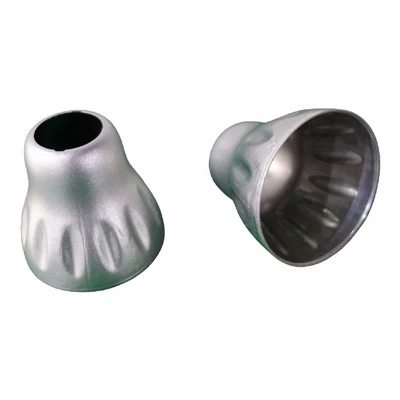
In conclusion, improving the durability of metal stamping dies requires a comprehensive approach that encompasses material selection, heat treatment, precision machining, surface treatment, lubrication, die design, maintenance, and operator training. As a metal stamping die supplier, I’m committed to providing high – quality dies and sharing our expertise to help our customers get the most out of their stamping operations. If you’re interested in learning more about our metal stamping dies or have any specific requirements, feel free to contact us for a procurement discussion.
Metal Stamping Dies References
- "Tool and Manufacturing Engineers Handbook," Society of Manufacturing Engineers.
- "Metal Forming Handbook: A Practical Guide to Production Processes and Their Applications," Carl Haberstock.
Dongguan Changdong Tool & Die Co., Ltd.
With abundant experience, we are one of the most reliable metal stamping dies manufacturers and suppliers in China. Please feel free to buy advanced metal stamping dies made in China here from our factory. Good service and quality products are available.
Address: No. 56-B, Fumin South Road, Dalang Town, Dongguan City, Guangdong Province, China
E-mail: sales@stamping-die.com
WebSite: https://www.metalstampingdie.com/
