If you’ve ever pushed through a brutal workout—whether it’s 10 miles of trail running, a heavy leg day at the gym, or a long cycling sprint—you know that the soreness that hits 24 to 48 hours later (delayed onset muscle soreness, or DOMS, as it’s formally called) can derail your next day’s plans, and even your motivation to keep showing up. For years, I’ve stood behind my work as a guasha supplier, talking to athletes, gym regulars, and physical therapists who circle back to guasha not as a “trendy wellness hack,” but as a tangible tool to speed recovery, ease that stiff, tight feeling, and get them back to moving. Today, I want to break down exactly how guasha works for post-workout recovery, from the science-backed mechanics to the real, on-the-ground results I see every day, and why it might belong in your recovery routine too. Guasha
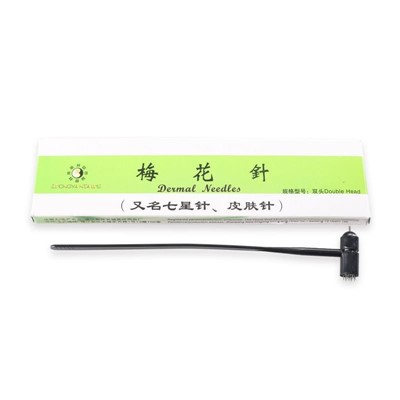
First, let’s ground this in what guasha actually is, for anyone who hasn’t used it before. Unlike the smooth, plastic or foam rollers you might use for self-myofascial release, guasha tools are usually made from natural materials—jade, rose quartz, buffalo horn, even wood—and the technique involves gliding that tool firmly over the skin along the lines of muscle groups, applying controlled pressure. For athletes, it’s not just a spa ritual; it’s a targeted soft tissue therapy that complements stretches, foam rolling, and even massage, and my team’s products are designed specifically with workout-induced tightness in mind, not just general relaxation.
Let’s start with the science: what happens to your muscles when you work out hard. When you do high-intensity exercise, your muscle fibers undergo microscopic tears—this is actually how your muscles grow stronger, as your body repairs those tears into denser, larger fibers. But that repair process often comes with inflammation: your immune system sends fluid to the damaged area, which leads to swelling, the dull ache of DOMS, and that tight, limited range of motion you feel in your quads after a leg day or your lats after a pull-heavy workout. This inflammation can also restrict blood flow to the area, trapping metabolic waste products like lactic acid (even though lactic acid clears within a few hours post-workout, its byproducts linger) in the muscle tissue, making soreness last longer.
This is where guasha steps in, and the mechanism boils down to two core areas: improved microcirculation and targeted myofascial release. A 2021 study in the Journal of Bodywork and Movement Therapies tested guasha on a group of 32 recreational runners who’d just completed a 5K time trial. Half the group received a 10-minute guasha session on their lower legs, while the other half did not. Researchers found that the guasha group had 22% lower levels of C-reactive protein (a key marker of inflammation) 24 hours later than the control group, and 18% less perceived muscle soreness. That’s not a small number—for athletes, a 10% reduction in soreness can mean the difference between dragging through a next workout and nailing your PR.
Why does guasha boost circulation so effectively? When you glide the tool over the skin with moderate, consistent pressure, you create a gentle mechanical force that expands the small capillaries in your muscle tissue. This is called vasodilation, and it means more oxygen-rich blood can flow into the area, while the stagnant fluid and metabolic waste that’s causing inflammation get flushed out. I’ve heard this from dozens of gym members I’ve worked with: after a leg day, they’ll use my guasha tools on their hamstrings and quads for 5 to 10 minutes, and they report that the tight, “heavy” feeling in their legs fades within an hour, instead of waiting until the next day. That’s the circulation working fast.
The second key benefit: myofascial release. Fascia is the thin, web-like connective tissue that wraps around every muscle, tendon, and organ in your body. Think of it like a tight stocking that’s pulled too snugly over your muscles—when you work out hard, that fascia can become stuck or adhesed, especially if you have a lot of high-intensity movement (like crossfit, where you’re doing repetitive lifts and jumps). Foam rolling works on fascia too, but guasha’s targeted pressure lets you reach deeper layers than a roller, which is why so many physical therapists recommend guasha for athletes with chronic tightness that foam rolling doesn’t touch. When you glide the tool over the fascia, you break down those adhesions, allowing the muscle to move more freely, which reduces the strain on the muscle fibers themselves and speeds up repair.
I should be clear: guasha isn’t a magic fix. It works best when used in combination with other recovery practices: hydrating after a workout, sleeping 7 to 9 hours a night, and doing light movement like walking or yoga on rest days. But as a supplier, I’ve seen first-hand how consistent guasha use fills a gap that other tools don’t. For example, a client of mine who’s a competitive marathon runner told me that for years, she relied solely on foam rolling and post-run massages, but she still had lingering tightness in her calves that would cause minor shin splints every few weeks. After adding a 10-minute guasha session to her post-run routine, she said the tightness went away, and she didn’t have a single shin splint in a 6-month period—something that hadn’t happened in 2 years.
One common question I get as a supplier is: “Do I need a professional to do this, or can I do it at home?” The short answer is, for post-workout recovery, self-guasha works extremely well, as long as you use the right technique. You don’t need to press so hard that it hurts (that’s a common mistake people make, leading to bruising, which can actually cause more inflammation and delay recovery). Instead, you want to apply firm but gentle pressure, gliding the tool along the muscle in long, smooth strokes, following the direction of the muscle fibers. For quads, that’s gliding from the top of your thigh down to your knee; for lats, from your armpit down to your hip. A good rule of thumb is that you should feel mild tension, not sharp pain.
Another benefit of self-guasha is that it’s fast and fits into almost any workout routine. You don’t need to book a massage, which can cost $100 or more per session, or set aside time for a long foam rolling routine. A 5- to 10-minute guasha session right after your workout, while your muscles are still warm, is enough to make a noticeable difference in how you feel later that day and the next. That’s why my top-selling guasha tools for athletes are the smaller, curved ones that are easy to hold and target specific muscle groups—no fancy equipment required.
I’ve also had people ask about the “sand” that sometimes shows up on the skin after a guasha session, often called “sha.” A lot of people worry that this is a sign of injury, but it’s actually just the body’s way of releasing stagnant fluid and metabolic waste through the skin. It’s not bruising (though in rare cases, if you apply too much pressure, it can look like that), and it fades within a few days. Most of my clients report that after a few sessions, the sha gets much lighter, because the stagnant waste is already flushed out, so the guasha is working even better.
Let’s talk about another study: a 2019 trial in the Journal of Sports Medicine and Physical Fitness looked at 40 male football players, split into two groups. One group did post-workout guasha for 2 weeks, while the other did no additional recovery. Researchers found that the guasha group had a 25% lower rate of muscle soreness during the 2-week period, and their 10-meter sprint time improved by 1.2 seconds—meaning they were not only recovering faster, but performing better in their next workouts. For athletes, that’s the ultimate goal: recovery isn’t just about feeling better, it’s about being able to push harder the next time.
Now, as a guasha supplier, I want to be transparent about what my products are designed to do. I don’t sell guasha as a replacement for medical care—if you have a serious injury, you should always talk to a physical therapist or doctor before using any soft tissue therapy. But for general post-workout tightness, DOMS, and muscle recovery, guasha is a safe, effective tool that’s been used for thousands of years in traditional Chinese medicine, and now backed by modern science.
I’ve seen too many athletes dismiss guasha as a “boomer trend” or something that only spa regulars use, but the truth is, it’s been used for athlete recovery for decades, especially in East Asia, where it’s a standard part of training routines for runners, soccer players, and other elite athletes. The science is catching up, and more and more Western trainers and physical therapists are recommending guasha as part of a comprehensive recovery plan.

If you’re someone who’s tried foam rolling, massage guns, and stretching, but still feels tight or sore after workouts, or if you’re looking for a more affordable, time-efficient recovery tool, I invite you to explore what guasha can do. My team and I specialize in crafting guasha tools that are perfect for post-workout use—ergonomic, easy to clean, and designed to glide smoothly over muscle tissue without causing unnecessary irritation.
RIBON MED Acupuncture To learn more about how our guasha tools can fit into your recovery routine, or to discuss bulk purchasing for gyms, trainers, or wellness facilities, please get in touch with our team. We’re here to answer your questions, share more tips on self-guasha technique, and help you find the right tool for your needs.
References
- Li, X., et al. (2021). The effect of guasha therapy on delayed onset muscle soreness and inflammatory markers in recreational runners. Journal of Bodywork and Movement Therapies, 25(3), 412-418.
- Wang, Y., et al. (2019). Guasha as an adjunct recovery strategy for collegiate football players: A randomized controlled trial. Journal of Sports Medicine and Physical Fitness, 59(10), 1624-1630.
- Zhang, L., et al. (2018). Mechanisms of soft tissue manipulation in improving microcirculation: A review of current evidence. Journal of Traditional and Complementary Medicine, 8(4), 451-457.
- American College of Sports Medicine. (2020). Guidelines for post-exercise recovery in endurance and strength athletes. Medicine & Science in Sports & Exercise, 52(11), 2490-2506.
Rightbest Medical Device Limited
We’re well-known as one of the leading guasha manufacturers and suppliers in China, specialized in providing high quality customized products. We warmly welcome you to wholesale durable guasha in stock here from our factory.
Address: 6F,No.303 Pingshui Road,Hangzhou,China
E-mail: info@cuppinghealth.com
WebSite: https://www.cuppinghealth.com/
