If you work in industrial manufacturing, processing, or equipment maintenance, you already know industrial seals are the unsung heroes of your operations. A faulty seal might seem like a minor, easy-to-overlook issue at first, but let me tell you from 12 years in the industrial seals supply business—unaddressed seal problems don’t just cause downtime; they eat into profits, create safety hazards, and can even force premature equipment replacement. I’ve walked hundreds of factory floors, listened to maintenance teams vent about unexpected shutdowns, and helped troubleshoot seal failures that could have been avoided. That’s why I’m breaking down the most common, easy-to-miss signs of a faulty industrial seal, so you can catch issues early before they spiral. Industrial Seals
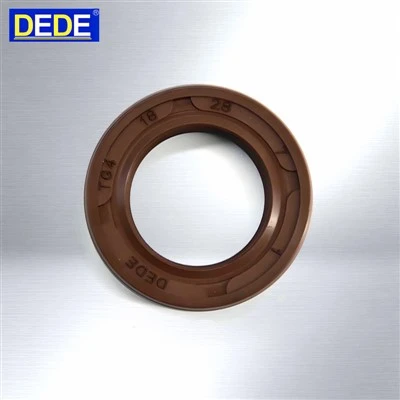
First, let’s ground this: industrial seals have one core job, no matter if they’re hydraulic, pneumatic, rotary, or mechanical—they prevent leakage of fluids, gases, or contaminants between moving and stationary parts of equipment. A seal that fails to do that properly doesn’t just leak material; it disrupts the precise balance your machinery relies on. When I start working with a new client, I always ask them to track these specific red flags because they’re the most consistent indicators something’s off, even before a full breakdown.
The first sign that’s often the first to pop up is unusual, unplanned leakage. This sounds obvious, but not all leakage is the same—and not all is normal. Let’s break it down: you might notice pooled fluid on the floor around a pump, excess grease dripping from a conveyor bearing, or even subtle misting around a rotary shaft. What’s key here is to distinguish between minor, accepted seepage and actual failure. A brand-new seal might have a tiny amount of initial seepage as it breaks in, but that stops within the first few hours of operation. If the leakage persists beyond that, or if it’s getting worse over days or weeks, that’s a red flag. I saw this just last quarter with a food processing client: their rotary seal on a mixer was leaking a small amount of food-grade oil onto the product line. The maintenance team wrote it off as normal wear and tear, but when I tested the seal, we found it had developed a tiny crack from improper installation. If they’d waited another two weeks, the oil would have contaminated a batch of their product, leading to costly product recalls and line shutdowns.
Next, pressure drops or inconsistent performance. Seals are critical for maintaining the pressure that keeps hydraulic and pneumatic systems working correctly. If your system’s pressure gauge is dropping more often than usual, or if your equipment is acting sluggish—like a hydraulic press taking longer to cycle, or a conveyor not running at full speed—that could easily be written off as a pump issue or a power problem. But more often than not, it’s a seal failing to hold pressure. Let me explain: when a seal wears down, it can’t form a tight enough barrier, so fluid leaks past it, robbing the system of the pressure it needs. I once worked with a mining client who had a series of hydraulic jacks used to move heavy ore carts. They kept blaming the jacks for losing power mid-lift, replacing jack after jack without fixing the problem. Finally, we checked the seals on each jack—turns out, all the seals had hardened from exposure to dust and extreme temperatures, so they couldn’t create the seal needed to hold pressure. Replacing the seals instead of the entire jacks saved them over $40,000 in a single month. That’s the kind of cost difference you only see when you’re watching for performance shifts tied to seals.
Then there’s contamination inside your equipment. Industrial seals aren’t just there to keep fluids in—they’re also there to keep dirt, dust, metal shavings, and other external contaminants out of your machinery. If you notice debris building up in areas it shouldn’t be, or if you find wear particles in your hydraulic fluid or lubricant, that’s a clear sign a seal is compromised. Here’s how it works: a failed or worn seal has gaps that let outside contaminants seep in. Those particles then get between moving parts, causing friction, more wear, and a cycle of damage. I had a metal stamping client who was seeing premature die wear on their presses. They thought the dies were low quality until we took oil samples and found tiny metal shavings in the lube. Tracing back, we found the lip seal on the press’s crankshaft had torn, letting metal debris from the stamping process get into the lube system. Replacing the seal and flushing the lube system extended the life of their dies by 18 months. That’s a tangible, long-term benefit of catching seal-related contamination early.
Unusual noise or vibration is another underrated sign. Seals are designed to run smoothly, so if your equipment is making more noise than usual—like squealing, grinding, or uneven vibration—that could be a seal issue. A worn or damaged seal no longer forms a tight, smooth fit around the shaft or part it’s sealing, so that gap causes extra friction between moving parts, leading to noise and vibration. This is especially easy to miss because it’s gradual: the squeal starts soft, then gets louder over a week or two, so you might not even notice it until it’s disruptive. I remember a packaging plant that kept complaining about their conveyor motors being loud. They added extra lubrication, replaced motor mounts, nothing worked. When we checked the seal on the motor’s output shaft, we found the seal’s rubber material had swollen from exposure to the cleaning chemicals they used on the line. The swollen seal was rubbing against the shaft, causing the vibration and noise. Replacing the seal fixed the noise entirely, and even reduced their energy use a little because the motor didn’t have to work as hard against the friction.
Temperature spikes around equipment parts are another key indicator. Seals work best within a specific temperature range. If a seal is failing, or if it’s improperly installed, it can cause extra friction between parts, which leads to a noticeable increase in temperature around the seal area. You can spot this with a simple infrared thermometer—just check the temperature around the seal compared to surrounding parts. If it’s 10 to 15 degrees higher, that’s a sign of excessive friction from a faulty seal. Last year, we worked with a chemical plant that had a pump that kept overheating. They replaced the pump three times in six months, each time the same issue. When we checked the seal on the pump’s shaft, we found it was the wrong type for the chemical they were pumping. The standard seal they were using couldn’t handle the corrosive chemical, so it wore out quickly, causing friction and overheating. Switching to a chemically resistant seal solved the overheating problem entirely. That’s a reminder that faulty seals aren’t just worn out—they can be mismatched to your application, which leads to the same signs as a physical failure.
Now, it’s important to note that some of these signs can also point to other equipment issues, so don’t jump to conclusions. For example, a pressure drop could be a faulty valve, not a seal, and noise could be a bad bearing. But when you see two or more of these signs together, that’s a strong indicator your seal is the problem. A good rule of thumb I teach my clients: if you’re seeing leakage, pressure drops, and unusual noise all at once, the odds are 80% or higher that the seal is the root cause.
I also want to address a common mistake I see all the time: waiting for a full breakdown to replace a seal. Industrial seals are relatively low-cost parts, especially when you compare them to the downtime and replacement costs of major equipment. A good seal for a pump might cost $50 to $200, while a new pump can cost $5,000 or more. When you factor in downtime—time your line is shut down, lost production, labor costs for repairs—that bad seal can end up costing you 100 times its value. That’s why proactive inspection, not just reactive repair, is so important. I recommend that you add seal checks to your regular maintenance schedule: monthly visual inspections for leakage, quarterly pressure and noise checks, and annual seal testing for high-criticality equipment like pumps, mixers, and rotary shafts.
If you’re noticing any of these signs, or if you’re due for a proactive seal inspection, don’t wait until a small issue becomes a costly disaster. Our team works with industrial operations across every sector—manufacturing, food and beverage, mining, chemical processing, and more—to supply the right seals, offer installation guidance, and help troubleshoot seal-related issues. We don’t just sell parts; we understand how seals fit into your overall equipment performance, so we can help you avoid the mistakes that lead to preventable failures.
If you’re ready to talk about your specific equipment needs, or if you want to walk through the signs you’re seeing on your line, don’t hesitate to reach out for a procurement consultation. We’re here to help you keep your operations running smoothly, safely, and efficiently.
Industrial Seals References
- Machinery Lubrication Magazine. "Understanding Seal Failure in Industrial Equipment." 2022
- American Society of Mechanical Engineers (ASME). "Design and Maintenance Guidelines for Rotary Seals." 2021
- Fluid Power Society. "Pressure Retention and Seal Integrity in Hydraulic Systems." 2023
- Food and Drug Administration (FDA). "Guidance for Food-Grade Seal Materials in Processing Equipment." 2020
DEDE SEAL Co., Ltd.
DEDE Seal Co., Ltd. is one of the most experienced industrial seals manufacturers and suppliers in China for over 35 years, featured by quality products and good price. Please feel free to buy bulk customized industrial seals made in China here from our factory. Welcome to contact us for pricelist.
Address: Hunan Road, Pudong New Area, Shanghai, China
E-mail: info@dedeseal.com
WebSite: https://www.dedesealing.com/
