If you’ve ever relied on a high-pressure booster air compressor for industrial processes—whether for pneumatic tool operation, gas transmission, or industrial manufacturing—you know even a small case of corrosion can derail an entire operation. Over the 12+ years I’ve supplied and serviced these compressors for clients across automotive, food and beverage, and pharmaceutical sectors, corrosion has never been just a cosmetic issue. It’s a silent failure point that leads to unplanned downtime, costly repairs, and even safety risks when working with high-pressure systems. Today I want to walk through the specific, practical ways we teach our clients to prevent corrosion in their high-pressure booster air compressors, rooted in real-world lessons from thousands of installations we’ve supported. High-Pressure Booster Air Compressor
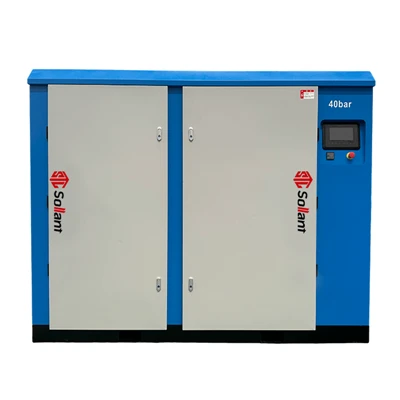
First, let’s ground this in why high-pressure booster compressors are uniquely vulnerable to corrosion. Unlike standard air compressors that operate at lower pressures, booster units compress air from a baseline of 100–150 psi up to 10,000 psi or more—creating extreme stresses on every internal component, from the cast iron cylinder walls to the stainless steel discharge valves. That high pressure not only concentrates moisture in the system (which is a primary corrosion catalyst) but also amplifies the wear and tear on protective coatings over time. For example, a client in a heavy machinery plant told me early on that their raw air supply pulled in heavy atmospheric moisture from their coastal location; within 18 months, their booster’s steel cylinders had developed pitting corrosion, which thinned the walls enough to require a full cylinder replacement. If they’d addressed the root moisture issue early, that $12,000 repair could have been avoided.
The first and most critical line of defense is controlling moisture, because water is the single biggest driver of corrosion in compressed air systems. High-pressure boosters don’t work well with wet air—condensation forms in the compression chamber, mixes with lubricating oil, and creates an acidic sludge that eats away at metal parts over time. Here’s what we advise our clients to implement, step by step: start with a primary air treatment system before the air even enters the booster. That means a high-quality aftercooler on your primary low-pressure compressor to cool the air and force out most moisture, followed by a refrigerated dryer that drops the pressure dew point to 38°F (3°C) at minimum, and preferably a desiccant dryer if your process requires ultra-dry air. Many clients skip this step to cut initial costs, but over a 5-year span, the cost of replacing corroded booster components is 3–4 times higher than investing in the right dryers.
Next, install automatic condensate drains at every low point in the line between the treatment system and the booster. Manual drains often lead to human error—someone forgetting to empty them for a week, letting moisture build back up. We specify electric timer-activated drains for most standard installations, and zero-loss condensate drains for critical 24/7 operations, because these automatically expel water without wasting compressed air. I remember a food and beverage processor we worked with that was having monthly seal failures due to excess moisture; switching from manual to automatic drains cut their moisture-related maintenance by 75% in just three months. It’s a small change that makes a huge difference.
The second key area is choosing and maintaining the right lubricant and internal coatings, because standard practices for low-pressure compressors don’t apply here. High-pressure booster cylinders and pistons operate under extreme friction and heat, so generic compressor oils break down quickly, leaving no protective film on metal surfaces. We work with clients to select synthetic lubricants formulated specifically for high-pressure applications—those with high thermal stability and anti-corrosive additives that can withstand temperatures up to 500°F (260°C) without degrading. For example, polyalphaolefin (PAO) based oils work well for most general industrial boosters, while ester-based oils are better for applications where air comes into contact with food or pharmaceuticals, to meet FDA standards.
Just as important as selecting the right lubricant is adhering to a strict oil change schedule that’s tailored to operating conditions, not a generic 1,000-hour mark. Coastal clients or those with high ambient humidity need more frequent changes (every 500–700 hours) because moisture can seep into the crankcase and contaminate the oil. We also recommend annual oil analysis: sending a sample to a certified lab to check for water content, acidity, and metal particles, which can signal early corrosion before it causes damage.
For the internal components of the booster itself—like valve seats, cylinder liners, and discharge manifolds—many clients overlook protective coatings that are designed for high-pressure environments. Standard chrome plating is fine for some applications, but we often recommend hard chrome plating with a post-treatment sealant for cast iron cylinders, or even ceramic coatings for stainless steel parts, which are more resistant to pitting and wear. One client in the oil and gas sector was operating their booster in a salt-rich environment that caused chrome plating to chip within two years; switching to our recommended ceramic-coated liners extended component life by four years, with zero new corrosion issues. It’s worth noting that these coatings require proper preparation—media blasting to remove old contaminants and ensure adhesion—so we always guide clients through the application process to avoid mistakes like incomplete coating coverage.
Third, regular inspection and operational best practices go a long way in preventing corrosion that creeps in slowly. Many clients only check their compressors when they break down, but a 10-minute monthly inspection can catch small issues before they become major corrosion problems. Our service technicians train clients to look for three key signs: discoloration on metal surfaces (a early sign of oxidation), water pooling at low points in the air line or crankcase, and any unusual noise from the valves or pistons (which can indicate lubricant breakdown leading to metal-to-metal contact). We also advise clients to monitor pressure levels closely—operating a booster above its rated pressure increases internal heat and stress, which can break down protective coatings faster and allow moisture to reach bare metal. A steel mill client of ours was consistently running their booster 1,500 psi above its rated capacity; within two years, their discharge valves had developed significant corrosion pitting. Adjusting their pressure settings to the manufacturer’s recommendation, paired with the moisture control steps we outlined, eliminated that issue entirely.
Another operational habit that often gets missed is draining the crankcase of the booster at every scheduled service, even if the oil level looks normal. Small amounts of moisture can accumulate in the crankcase over time, especially in high-humidity environments, and mixing with lubricant creates that acidic sludge we talked about earlier. We also recommend running the compressor at full load for at least 30 minutes once a month, if it’s not in daily use. Idling or low-load operation means the air doesn’t get compressed enough to force out all moisture, so it stays in the system and causes corrosion. We had a pharmaceutical client that shut down their booster on weekends, running it at low load each time; within six months, their cylinder walls had developed rust. Switching to a 30-minute full-load run every weekend fixed that.
For clients working in harsh environments—coastal areas with salt air, or sites with high levels of sulfur or other industrial pollutants—we have additional corrosion mitigation steps. First, wrap the compressor in a weatherproof, non-porous enclosure if it’s installed outdoors, to keep salt, dust, and moisture out. For indoor sites with high chemical exposure, add a secondary air filtration system specifically for the incoming air, to filter out corrosive gases. We also recommend applying a specialized corrosion inhibitor spray to external metal surfaces every six months, as long as it’s compatible with the compressor’s finish. One offshore drilling contractor we work with, whose booster units sit on rigs exposed to constant salt spray, implemented all these steps and reduced their corrosion-related downtime by 90% over two years.
It’s important to note that even with all these preventive steps, there’s no one-size-fits-all solution. Every booster installation is different, based on operating pressure, ambient conditions, and the specific application. That’s why we don’t just sell compressors—we work with clients to conduct a site assessment before installation, identify potential corrosion risks, and create a customized maintenance plan tailored to their needs. For example, a small woodworking shop with one booster has different needs than a large pharmaceutical plant with 10 units running 24/7. We adjust recommendations accordingly, whether that’s installing a smaller desiccant dryer for the shop or implementing a full remote monitoring system for the plant’s compressors to track moisture levels and lubricant quality in real time.
If you’re already dealing with corrosion in your high-pressure booster air compressor, don’t wait until it causes a costly shutdown. Small steps like upgrading your air treatment system or adjusting your oil change schedule can make a huge difference. For new installations, taking corrosion prevention into account from the start will save you years of maintenance and repair costs.

We’ve supported thousands of clients across industries, helping them keep their compressors running reliably and corrosion-free. If you’d like to discuss your specific needs, get advice on mitigating corrosion for your booster system, or learn more about our high-pressure compressor solutions, we’re here to help. Get in touch to start the conversation about ensuring your compressor operates at peak performance, with minimal corrosion-related risk.
Specialty Gas Compressor References:
- Compressed Air and Gas Handbook, 5th Edition, Compressed Air and Gas Institute
- Corrosion Prevention and Control in Industrial Equipment, NACE International
- High-Pressure Compressor Operation and Maintenance Guidelines, International Society of Automation
Shanghai Sollant Energy Saving Technology Co., Ltd.
As one of the most professional high-pressure booster air compressor manufacturers and suppliers in China, we’re featured by quality products and good service. Please rest assured to buy bulk durable high-pressure booster air compressor from our factory. Welcome to view our website for more information.
Address: No.215, Songri Center, Beihongqiao, Jiading District, Shanghai, China.
E-mail: info3@sollant.com
WebSite: https://www.sollant-gas.com/
