As a supplier of sewage pumps, I get this question all the time from installers, building managers, and even property owners who’ve never had to deal with a grinder pump or wastewater lift station before. “How often do I need to service my sewage pump?” It’s not a one-size-fits-all answer, and skimping on maintenance is one of the most common causes of pump failures—problems that can lead to raw sewage backups, costly repairs, and even health code violations. Let me break this down based on years of seeing pumps in the field, data from plumbing codes, and input from the manufacturers I work with every day. Sewage Pump
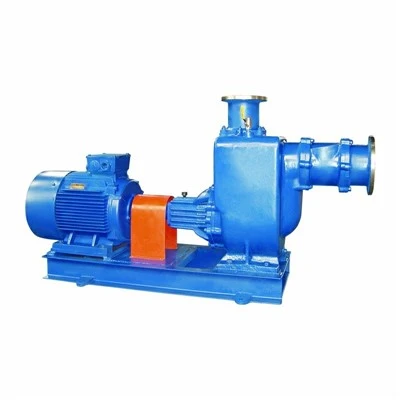
First, let’s get clear on what a sewage pump does, because that changes everything. Unlike a sump pump that moves clear water, a sewage pump handles a mix of wastewater, solid waste, grease, hair, and even occasional debris like food scraps or sanitary products. That’s a recipe for clogs, wear, and buildup if it’s not inspected regularly. I’ve seen pumps that died within two years because they were in a home with a large family, and others that ran for 10+ years with almost no issues, just because they were serviced on a consistent schedule.
Let’s start with residential sewage pumps, the kind most common in homes with basement bathrooms, laundry rooms, or in areas with low drainage. For standard residential units—typically ½ hp to 1 hp submersible pumps serving a single-family home—most manufacturers and plumbing codes recommend annual service. But wait, that’s a baseline, not a hard rule. If your home has four or more people, you do laundry multiple times a day, or have a garbage disposal connected to the sewage line, you’ll want to bump that to twice a year. Why? Garbage disposal scraps are extra abrasive, and more people mean more solids going through the pump. I had a customer last year whose sewage pump burned out in nine months because he had three kids running the garbage disposal nonstop; his annual service was scheduled but he skipped it, so grease and food buildup seized the motor.
For commercial sewage pumps, it’s a different ballgame. Restaurants, apartment buildings, office parks, and retail spaces have far higher usage and more potential for contaminants. A restaurant’s sewage pump can get hit with grease, food solids, and cooking oil every single day—grease that cools and hardens in the pump impeller, causing clogs and strain on the motor. For small commercial spaces, like a corner café with a single restroom, quarterly inspections are non-negotiable. Larger commercial facilities, like apartment buildings with 50+ units, or grocery stores, need monthly check-ins. I work with a property management company that has 12 apartment buildings; their pumps are all checked once a month, and we’ve cut their pump failures by 70% since we put that schedule in place. Before that, they were replacing two pumps a year, costing them thousands in emergency service calls and tenant complaints.
Then there are grinder pumps, a specialized type of sewage pump that grinds solids into smaller pieces before moving them. These are common in homes that are too far from the main sewer line, or in areas with small septic systems. Grinder pumps have moving parts that are more prone to wear from grinding, so their service schedule is tighter. Residential grinder pumps should be serviced every 8 to 10 months, and commercial ones every 6 months. I always tell people: if your grinder pump starts making a loud grinding noise or cycles on and off more frequently, don’t wait for your scheduled service—get it checked right away. That’s usually a sign the impeller is worn, and if you catch it early, you can just replace a small part instead of the whole pump.
Now, what actually happens during a service, and why can’t you just clean the pump yourself if you’re handy? A lot of homeowners try to do basic maintenance on their own, like flushing bleach down the line, but that’s not enough. A professional service includes checking the impeller for clogs and wear, testing the motor’s amp draw to make sure it’s not overworking, inspecting the float switches that turn the pump on and off (those fail more often than people realize), checking for leaks in the wiring, and testing the pump’s output to make sure it’s moving water at the correct rate. Bleach can actually damage the seals on submersible pumps over time, so it’s not a substitute for professional work.
I’ve also seen people wait too long to service their pumps, and end up dealing with backups that cost way more than maintenance would have. Last winter, a customer in a small town had a pump that wasn’t serviced for three years. It clogged with toilet paper and sanitary products, and when it failed, the backup flooded his basement, ruining his washer, dryer, and a storage room full of furniture. The service for that pump would have cost him $200; the repairs and cleanup ended up costing over $12,000. That’s the kind of cost that makes regular maintenance worth every penny.
Are there exceptions to the rule? Sure. If you have a newer pump, most modern units are more durable, but they still need regular service. If your pump is installed in an area that’s hard to access, like a small utility closet in a basement, you might need to adjust the schedule to make sure you don’t miss inspections. Also, if you’ve recently had work done on your sewer line, that can introduce debris into the pump, so you should have it inspected within a month of that work.
Another thing to consider: warranty requirements. Most manufacturers void the warranty on sewage pumps if they’re not serviced on a regular schedule. I can’t tell you how many times customers have come to me with a pump that failed after 18 months, only to find out they skipped the annual service, so the manufacturer won’t cover the replacement. That’s a big one—following the service schedule isn’t just about preventing failure, it’s protecting your investment.
Let me also talk about signs that your pump needs service, even if it’s not time for your scheduled appointment. These are red flags that you shouldn’t ignore:
- The pump cycles on and off more frequently than usual. If it’s turning on multiple times an hour, that means it’s working harder than it should, probably because of a clog or a worn part.
- You hear loud grinding or gurgling noises when the pump runs. That’s a sign of debris in the impeller, or the impeller starting to wear out.
- You notice a foul odor coming from the pump or the area around it. That usually means there’s a leak or a clog that’s allowing sewage to back up, even if you don’t see it.
- The pump seems to be taking longer to empty the basin. If it used to empty in a minute and now takes two, that’s a sign of reduced flow from clogs or a failing motor.
For those who are trying to figure out their exact schedule, here’s a quick cheat sheet based on my experience and industry standards:
- Residential standard sewage pump (single family, 1-3 people): Annually
- Residential standard sewage pump (4+ people, or connected to garbage disposal): Every 6 months
- Residential grinder pump: Every 8-10 months
- Small commercial (café, small office, retail with 1-2 restrooms): Quarterly
- Medium commercial (apartment building, school, grocery store): Monthly
- Large commercial (hospital, industrial facility, multi-building complex): Every 2-4 weeks, depending on usage
I’ve been in the sewage pump supply business for 12 years, and one thing I’ve learned is that the best way to avoid pump problems is consistency. It’s not about over-maintaining your pump, or cutting corners— it’s about sticking to a schedule that fits your usage. A lot of people see service as an unnecessary expense, but when you consider that a single sewage pump replacement can cost $1,500 to $3,000, plus the cost of emergency service and cleanup, maintenance is the smartest investment you can make.
If you’re not sure what kind of sewage pump you have, or you need help setting up a service schedule, or you’re looking to replace an old pump that’s giving you trouble, we’re here to help. We work with all types of properties, from single-family homes to large commercial facilities, and we can recommend the right pump for your needs, as well as connect you with qualified service providers to make sure your maintenance is done right. Don’t wait for a backup or a pump failure to reach out—preventive maintenance is always cheaper and less stressful than emergency repairs.
It’s also worth noting that as sewage pump technology has advanced, so has service requirements. Newer submersible pumps have better seals and impellers, but they still rely on regular checks to prevent debris buildup. Our team stays up to date on the latest manufacturer recommendations, so we can pass that knowledge on to our customers. I’ve seen too many pumps fail because someone relied on old advice (“just service it every two years”) without considering their actual usage. The key is to tailor the schedule to your specific situation, not just the generic guideline.
In conclusion, the answer to “how often should a sewage pump be serviced” is: it depends on where the pump is installed, how often it’s used, and what type of pump it is. But skipping service is never a good idea, and sticking to a consistent schedule will extend the life of your pump, prevent costly repairs, and keep your property safe from sewage backups. Whether you’re a homeowner, a property manager, or a business owner, taking the time to schedule regular service is one of the best ways to protect your investment and avoid major headaches down the line. If you need guidance on your pump’s maintenance, or are ready to upgrade to a more reliable unit, reach out to connect with our team to discuss your needs.
Self-priming Pump References
- 2021 International Plumbing Code (IPC), Chapter 7: Sewage Pumps and Lift Stations
- Association of Plumbing and Mechanical Officials (APMO), Standard for Sewage Pump Systems, 2020 Edition
- Manufacturing Performance Institute, “Sewage Pump Maintenance Best Practices,” 2022
- United States Environmental Protection Agency (EPA), “Onsite Wastewater Treatment Systems Maintenance Guidelines,” 2021
- Residential Pump Manufacturers Association (RPMA), “Residential Sewage Pump Service Recommendations,” 2023
Zhejiang Kaicheng Pump Valve Co., Ltd.
Zhejiang Kaicheng Pump Valve Co., Ltd. is one of the most professional sewage pump manufacturers and suppliers in China, also supports customized service. We warmly welcome you to buy advanced sewage pump made in China here and get quotation from our factory. For price consultation, contact us.
Address: No.501 Zhangbao North Road, Dong ou Industrial Park, Oubei town, Yongjia, Zhejiang Province, China
E-mail: sales@cnkcmp.com
WebSite: https://www.kcmpumps.com/
