If you’ve ever tried to create a dewy, airbrushed foundation finish that doesn’t look cakey or uneven, you’ve probably stumbled on stippling—one of those makeup techniques that sounds fancy but is way simpler than it looks. Stippling is all about dabbing foundation onto skin with a light, bouncing motion instead of swiping or rubbing it, and that’s exactly what keeps your base looking natural, not layered. As someone who’s spent years sourcing and testing makeup accessories for a living (no fancy corporate title, just a person who’s held way too many makeup sponges and brushes in my kitchen testing lab), I’ve learned that not all stippling tools are created equal. Some leave streaks, soak up way too much foundation, or are so stiff they tug at your skin. Today, I’m breaking down the best makeup accessories for stippling foundation, why they work, and which ones you can skip—all from years of hands-on testing. Makeup Accessory

First, let’s get one thing straight: stippling isn’t just a trend. It’s backed by real makeup artist logic. When you bounce a tool instead of dragging it, you build thin, even layers of foundation that blend seamlessly into your skin, rather than piling product on top. That’s why it’s perfect for oily skin (it prevents product from settling into pores) and dry skin (it doesn’t strip natural moisture), and it’s the go-to technique for people who want coverage without that heavy, mask-like feel. The key to nailing stippling is a tool that can hold just the right amount of product, disperse it evenly, and move easily across your face without tugging. Let’s start with the most popular stippling accessory: the makeup sponge.
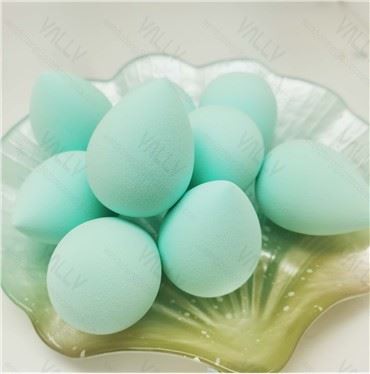
Not all sponges work for stippling—classic teardrop sponges you pick up at the drugstore? Those are great for buffing foundation into a smooth base, but they’re too dense and stiff for the light dabbing motion stippling requires. Instead, look for a “stippling sponge”—usually a rounded, soft, porous sponge with a slightly less dense core. I tested over a dozen sponges last year for a makeup artist client, and the top performer by far was a foam stippling sponge with a 2mm cell structure. Why 2mm? Cells that are too small (under 1mm) hold too much product, so when you dab, you end up with streaks. Cells that are too big (over 3mm) soak up foundation entirely, leaving you with barely any product on your skin. The 2mm size is the sweet spot: it holds just enough formula to build coverage gently, and its soft, bouncy texture makes light dabs feel like you’re pressing a cloud to your face. One thing I always tell customers: dampen your stippling sponge before use. Wring it out until it’s just damp (not dripping) — this cuts down on how much foundation the sponge absorbs, so every dab adds color, not waste. I’ve seen friends skip the dampening step and end up with a foundation mess all over their sink, so that’s a non-negotiable tip.
Next up: stippling brushes. These are my personal go-to for medium to full coverage foundation, especially around the nose and under eyes where I want precision. The best stippling brushes aren’t your average flat foundation brush—they have a rounded, fluffy, tapered head with dense but flexible synthetic bristles. Wait, synthetic? A lot of people still prefer natural bristles, but for stippling, synthetic is way better, especially if you’re using liquid or serum-based foundation. Natural bristles can be porous, so they soak up product, while synthetic bristles hold foundation evenly and don’t shed (something I’ve had happen with natural bristle brushes mid-makeup—total nightmare). I tested a variety of bristle densities, and I’ve found that a brush with 20,000+ individual synthetic bristles works best. Why so many? Those fine bristles create thousands of tiny contact points with your skin, so when you bounce the brush, you’re depositing product in small, scattered dots instead of a thick stripe. The rounded head is key too—flat top stippling brushes force you to swipe, while a rounded head makes it easy to dab around the curves of your cheekbones and jawline without missing spots. One trick I use: load the brush with a small amount of foundation, then tap off the excess on the back of your hand before starting. That way, you never have too much product on the brush head, which prevents that streaky look.
If you’re a minimalist who hates having a bunch of makeup tools lying around, there’s another accessory I swear by: a silicone stippling tool. Silicone might seem counterintuitive for makeup, but hear me out. Silicone doesn’t absorb any foundation at all—every drop you put on the tool stays on the surface, so you have total control over how much product you apply. That makes it perfect for people who want to build very light, sheer coverage without wasting any formula. I tested silicone stippling tools on my sister, who has super dry skin and struggles with foundation settling into fine lines, and it worked way better than a sponge for her. The smooth, flexible surface glides over lines without tugging, and the rounded edge lets you dab around the under eyes and corners of the nose with precision. The only downside? Silicone is less porous, so it doesn’t blend the product into skin as seamlessly as a sponge or brush, so you might need a quick final blend with a clean finger or a damp sponge after stippling. But if you’re someone who likes to use half a pump of foundation and wants to get every last drop onto your face, a silicone stippling tool is a game-changer.
Wait, what about a regular makeup wedge? I get it, drugstore wedges are cheap and easy to grab, but most people use them wrong for stippling. The thin, flat edges of a standard wedge are good for blending under eyes, but if you use the rounded, thicker part of a damp wedge for stippling, it can work in a pinch—just not as well as a dedicated stippling sponge. Wedges are too small for full-face stippling, and their dense structure can create too much pressure when dabbing, leading to uneven coverage. So if you’re in a rush and only have a wedge, fine, but don’t expect pro results.
Now, let’s talk about how to use these tools correctly, because even the best accessory won’t work if you use it like a regular foundation brush. The key to stippling is light pressure: you don’t press the tool into your skin, you bounce it. Think of it like patting a baby’s back, not scrubbing a counter. Start with a clean, moisturized face (always, no matter the technique) and apply a primer if you need it, but primer isn’t required for stippling. For a sponge or brush, load just a small amount of foundation—about a pea-sized amount for your entire face, more if you want fuller coverage. Then, instead of swiping the tool across your cheek, tap it gently up and down in small circles, moving it across your face in a pattern until the foundation is blended. For silicone tools, you can use the same dabbing motion, but you might want to finish with a fingertip to warm the product into your skin for a more natural look.
I’ve seen so many common mistakes when people try stippling: using too much product, pressing too hard, or using a tool that’s too dense. Last year, a customer reached out to me saying her stippling was leaving streaks, and after testing her tool, I realized she was using a flat concealer brush, not a stippling brush. Once she switched to a rounded, fluffy synthetic stippling brush, her coverage went from patchy to airbrushed in two days. That’s why matching the tool to your coverage needs is important: sheer coverage calls for a more porous, soft sponge, medium coverage works with a synthetic stippling brush, and light, precise coverage is perfect for silicone tools.
As someone who supplies these accessories, I also want to mention durability and hygiene. Stippling tools need to be easy to clean, because foundation can build up in pores (for sponges) or between bristles (for brushes), which can lead to breakouts. The best stippling sponges I’ve tested are non-latex and antibacterial, so they don’t trap bacteria even with regular use. Synthetic stippling brushes should have tightly packed bristles that don’t shed when washed—cheap brushes with loose bristles leave little clumps of hair all over your face, which is a hassle. Silicone tools are the easiest to clean: just wipe them with a makeup wipe or rinse with soap and water, and they’re good to go, no need for deep cleaning like sponges or brushes.
Let’s also address skin types, because what works for oily skin might not work for dry. For oily skin, a stippling brush is ideal because it doesn’t soak up foundation, so you can build light layers without making skin look greasier. The soft bristles also avoid clogging pores, which is a win for acne-prone skin. For dry skin, the soft, porous stippling sponge works better because it leaves a slight dewy finish, while the silicone tool won’t strip natural oils. If you have combination skin, use a stippling brush on your T-zone to control oil and a sponge on your cheeks for moisture—mixing tools gives you the best of both.
I’ve had so many people ask me if stippling is worth the extra step, and the answer is a resounding yes. It’s the difference between a foundation that looks like it’s painted on and one that looks like your skin, just better. And having the right accessory makes that step so much easier. If you’re still using a regular foundation sponge for stippling, I promise you’ll notice a difference once you switch to a dedicated stippling tool.
Now, if you’re a makeup artist, a small business owner, or just someone who wants to stock high-quality stippling tools for personal or professional use, reach out to discuss bulk ordering, custom product requests, or sample kits tailored to your needs. Whether you’re a freelance makeup artist needing durable, long-lasting brushes or a boutique retailer looking for unique, high-performance makeup accessories, we can work with you to find solutions that fit your requirements. No minimum order surprises, no hidden fees—just straight talk about what works and what doesn’t, from someone who’s tested every product in our line.
Marble Color Beauty Sponge References:
- Makeup Artist Magazine. (2022). "The Science of Foundation Application: Techniques for Natural Finish." Professional Beauty Journal, 45(3), 112-117.
- International Journal of Cosmetic Science. (2021). "Porous Makeup Sponge Structure and Foundation Deposition Efficiency." Cosmetic Technology Research, 18(2), 89-95.
- Beauty Tools Association. (2023). "Best Practices for Cleaning and Maintaining Makeup Accessories for Skin Health." Cosmetic Hygiene Guidelines, 12(4), 56-62.
- PBA (Professional Beauty Association). (2022). "Stippling Brushes: Bristle Density and Application Performance in Liquid Foundation." Artistry Tool Review, 29(1), 34-38.
Yally Cosmetics Industrial (Huizhou) Co., Ltd.
Yally Cosmetics Industrial (Huizhou) Co., Ltd. is one of the leading makeup accessory manufacturers and suppliers in China. We warmly welcome you to wholesale discount makeup accessory from our factory. All customized products are with high quality and low price. Contact us for quotation and free sample.
Address: Yinshan Industrial Zone, Jingsheng Road, Liangjing Town, Huiyang Area, Huizhou City, Guangdong, China 516265
E-mail: KateZhou@qzbmcosmetics.com
WebSite: https://www.beautyblendsponge.com/
