If you’ve ever walked through a construction site for a commercial office building, a warehouse, or even a multi-unit apartment complex, you’ve probably glanced at the silver pipes crisscrossing the ceiling, dotted with small, glass-bulb nozzles every few feet. Those pipes are part of a fire sprinkler system, a technology that’s saved an estimated 1.6 million lives in the U.S. since 1980, according to the National Fire Protection Association (NFPA). For most building owners and facility managers, these systems are a set-it-and-forget-it safety net—until something goes wrong. One question we get every month at our fire sprinkler supply company, sometimes from property managers panicking after a cold snap, is: Can a fire sprinkler system freeze and burst? Fire Sprinkler System

The short answer is yes, but not all systems are equally at risk, and there’s a lot of misinformation floating around about how this happens, how to prevent it, and what to do if you notice a frozen pipe. As a supplier that’s been in the fire protection business for 12 years, we see the damage firsthand: a warehouse in Des Moines that lost 12,000 square feet of storage after a frozen pipe burst during the 2022 January cold snap; a small retail shop in Minneapolis that had its sprinkler system’s main line crack over a three-day weekend when the heat failed. These aren’t hypothetical scenarios—they’re the real costs of a problem that’s 100% preventable if you understand how sprinkler systems work, especially their pipe contents.
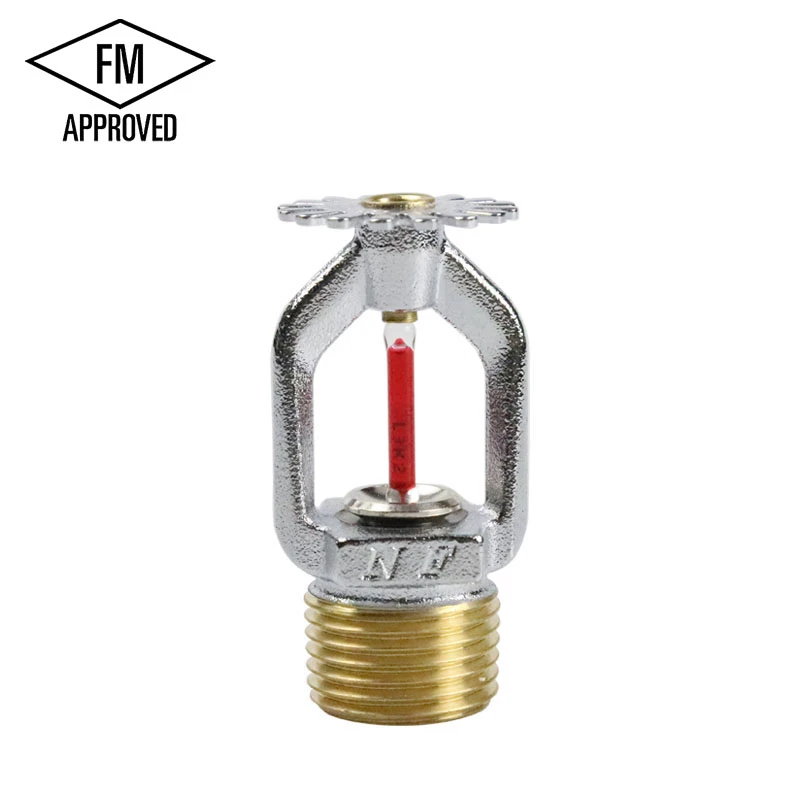
Let’s start with the basics: what’s inside a typical fire sprinkler pipe? Most commercial and residential systems in the U.S. use wet pipe systems, which is exactly what it sounds like—pipes are always filled with water. That’s the type you see in office buildings, schools, and most apartments. Dry pipe systems, common in unheated spaces like warehouses, garages, and outdoor risers, are filled with compressed air or nitrogen instead of water. On paper, dry pipe systems sound like they’d be immune to freezing, right? The pipes don’t have water, so nothing can turn to ice. But here’s the catch: every fire sprinkler system has at least one wet component, even dry pipe systems. The trigger that makes a sprinkler head activate is a small glass bulb filled with a liquid and air mixture. That liquid expands when heated, breaking the bulb and letting water flow. If that bulb gets cold enough, the liquid inside it freezes too. We’ve seen that happen last winter in a dry pipe system at a self-storage facility in Milwaukee: a sprinkler head’s bulb froze, and when the system finally heated back up, the bulb shattered for a reason no one saw coming.
The science of freezing pipes isn’t new, but how it applies to fire sprinkler systems is specific. Water freezes at 32 degrees Fahrenheit, but it can start to expand before it reaches that mark. When water turns to ice, it expands by about 9% in volume. In a closed, rigid pipe, that expansion creates immense pressure—enough to crack steel, copper, or PVC pipes. The biggest risk for frozen sprinkler pipes isn’t just extreme cold, though. It’s prolonged exposure to temperatures below 40 degrees, even if the air temperature isn’t frigid. For example, a basement that’s set to 38 degrees to save on heating costs in the winter is just cold enough for a pipe to freeze, especially if it’s near an exterior wall with no insulation or a gap in a wall cavity where cold air seeps in. We once supplied a set of replacement pipes for a small restaurant in Columbus that had a frozen sprinkler line in a walk-in cooler’s utility closet; the owner had turned the cooler’s heat down to reduce energy bills, and that small 3-degree gap between their thermostat setpoint and freezing was enough to cause a burst.
Another common misconception: once a pipe freezes, it only bursts when it thaws. That’s not true. I’ve inspected a dozen burst sprinkler pipes in the last decade that cracked while they were still frozen. When water inside a pipe turns to ice, it exerts pressure on the pipe walls from both sides—forward and backward along the pipe. If one end of the pipe is sealed, that pressure builds until the pipe splits, often in a thin spot or a joint. When the ice melts later, you’ll see water pouring out, which makes it easy to think the burst happened during thawing, but the damage is actually done during the freeze. The hard part is spotting a frozen pipe before it bursts: signs include condensation on a pipe, a sprinkler head that seems fogged or frosty, or no water coming out of a test nozzle when you trigger it.
Now, what about the different types of sprinkler systems, and their freeze risk? Wet pipe systems are the most common, and also the most vulnerable. Because their pipes are full of water, any unheated space with a wet pipe is at risk. That includes exposed pipes in attics, crawl spaces, exterior wall chases, and even under floor slabs in unheated commercial spaces. Dry pipe systems are less at risk, but as I mentioned, their sprinkler heads can freeze. Then there are pre-action systems, which are used in sensitive areas like server rooms or art museums. Pre-action systems have two triggers: first, a smoke detector or heat alarm, then the sprinkler head activating. Some pre-action systems are filled with air, others with water, but they can still freeze if exposed to cold temperatures.
We also supply antifreeze solutions for systems that can’t be heated, right? There’s a specific NFPA standard for that: NFPA 25, which sets rules for the type of antifreeze you can use, how much to add, and how often to test it. A lot of people buy generic automotive antifreeze to pour into their sprinkler pipes, but that’s a mistake. Automotive antifreeze is designed for engines, not fire sprinkler systems, and it can corrode pipes over time, or break down when exposed to heat, leaving a residue that clogs sprinkler heads. The antifreeze we sell is NFPA-listed, designed to mix with water in sprinkler pipes at concentrations that keep water liquid down to 20 degrees Fahrenheit, which is enough for most cold climates. But it’s not a permanent fix—you have to test it every year, because it can evaporate or get diluted, especially if there’s a leak in the system.
So what should you do if you suspect a frozen sprinkler pipe? First, turn off the water supply to that section of the system, if you can safely do so. Don’t try to thaw a frozen pipe with a hair dryer, torch, or space heater—those can put too much heat on the pipe, cause it to crack, or even start a fire. The safest way is to use a heating pad or a space heater set to low, and keep the area around the pipe warm gradually. Once the ice melts, check the pipe for cracks. If you see a crack, don’t just patch it—sprinkler systems require specific fittings and materials, and a patch job will fail when the system is under pressure during a fire. That’s where we come in: we supply custom replacement pipes, sprinkler heads, and fittings, and our team works with property managers to get systems back up and running quickly, so they’re compliant with local fire codes.
The best way to handle frozen pipes, though, is to prevent them in the first place. We recommend three steps for our customers. First, insulate all exposed pipes in unheated spaces. Pipe insulation jackets are cheap, easy to install, and they add a layer of protection against cold air. Second, check your building’s thermostat in cold weather—don’t set it lower than 55 degrees in areas where sprinkler pipes run, even in unused spaces. If you have a crawl space or attic, make sure there’s no gap in insulation around the rim joist, where cold air can seep in. Third, schedule an annual inspection with a licensed fire protection technician. A technician can spot small gaps in insulation, test your antifreeze levels, and check for any pipes that are at risk of freezing before it gets cold.
We’ve been in the fire sprinkler supply business long enough to know that a burst sprinkler pipe isn’t just an inconvenience—it’s a threat to safety. If a pipe freezes and bursts, the system might fail to activate during a fire, leaving your property and the people in it unprotected. Or if it’s an unheated space, a burst pipe can cause thousands of dollars in water damage, on top of the cost to repair the sprinkler system. That’s why we don’t just sell parts—we work with our customers to answer questions, provide guidance, and supply the materials they need to keep their systems safe.
If you’re a property manager, facility owner, or someone who’s noticed a potential issue with your fire sprinkler system, we’re here to help. Whether you need replacement pipes, insulation, antifreeze solutions, or advice on preventing frozen pipes, our team can walk you through your options. Don’t wait until the next cold snap to check your system—reach out to us to set up a consultation or order the supplies you need to keep your fire sprinkler system working properly, year round.
Fire Protection Valve References
National Fire Protection Association. (2023). U.S. Fire Loss in 2021. NFPA.
NFPA 25: Standard for the Inspection, Testing, and Maintenance of Water-Based Fire Protection Systems. (2022). National Fire Protection Association.
U.S. Fire Administration. (2022). Sprinkler System Basics for Building Owners. FEMA.
Nonfir Automatic Sprinkler Co., Ltd.
As one of the most professional fire sprinkler system manufacturers and suppliers in China, we have world-leading production equipment and strong manufacturing capabilities. Please feel free to buy advanced fire sprinkler system at competitive price from our factory.
Address: No.8, Yuanfeng Road, Meiyuan Village, Kangmei Town, Nan’An City, Quanzhou City, Fujian Province, China
E-mail: info@nfsprinkler.com
WebSite: https://www.nonfirsprinklers.com/
