Hey, let’s cut to the chase: if you’ve ever worked with peptides—especially as a researcher, lab tech, or even someone sourcing peptides for a biotech project—you’ve probably wondered this: can lyophilized peptide go bad? And if you’re buying from a supplier, that question doesn’t just feel random; it directly impacts your experiments, your budget, and whether that peptide you’ve been waiting for actually works when you rehydrate it. As a lyophilized peptide supplier who’s been in this game for over a decade, I get this question a hundred times a week. Let’s break this down like we’re chatting over coffee—not a stuffy lab manual. Lyophilized Peptide
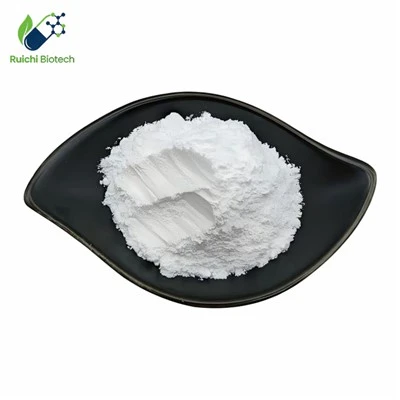
First, let’s get one thing straight: lyophilization (that’s the fancy word for freeze-drying) is literally designed to make peptides last longer. Here’s how it works: you take a peptide solution, freeze it solid, then pull all the water out with a vacuum. No water means no chemical reactions that would break the peptide down, right? It’s like beef jerky for peptides—dehydrated, preserved, no mold, no bugs. But that doesn’t mean it’s invincible. I’ve seen this firsthand: a customer ordered a 6-month-old batch of our lyophilized GLP-1 analog, rehydrated it, and their assay failed. They swore the peptide was bad. Turned out, it was stored in a warm, damp closet, not our recommended -20°C freezer (or even a cool, dry shelf). That’s a key point: lyophilized peptides don’t “go bad” out of nowhere, but they do degrade if handled wrong.
So what actually causes a lyophilized peptide to go bad? Let’s talk about the main culprits, no jargon promise. First, moisture. Even a tiny amount of humidity (like, more than 10% relative humidity) can seep into the vial if the seal is broken. I’ve heard stories of customers leaving vials open on the lab bench during a busy day, forgetting to cap them. That little bit of water messes with the peptide’s structure—maybe it starts clumping, maybe it breaks into smaller fragments that your assay can’t detect. Second, heat. Peptides hate heat more than most lab reagents. Storing your vials at room temperature for months instead of cold? Yeah, that speeds up degradation. We’ve run stability tests on our own products: a peptide stored at 4°C stays >95% intact for 2 years, same one at 37°C is down to 80% in 6 months, and 50% in a year. That’s not a number I pull out of thin air—our QC team tests every batch regularly. Third, light. Wait, really? Some peptides (like fluorescently tagged ones) are super sensitive to UV light. Leaving them on a windowsill or under a lab hood light for weeks? That’s a one-way ticket to peptide death.
Now, what about “expiration dates”? We put a 2-year expiration on all our lyophilized peptides, but that’s only if you store them correctly. If you open a vial, you have to use it within a month—once it’s open, it’s exposed to moisture, even if you cap it tight. I always tell customers: don’t aliquot your peptides if you don’t have to, but if you do, split them into small vials so you only open one at a time. That way, you’re not exposing the whole batch to moisture every time you take a sample.
Wait, but how do you know if your peptide is actually bad before you run an assay? There are a few quick checks. First, look at the powder. If it’s not a uniform color (we make ours white or off-white, no weird discoloration) or if it’s clumpy instead of a fine powder, that’s a red flag. Second, do a quick analytical test—like HPLC, which is the standard way to check peptide purity. If the HPLC trace shows more than 5% of impurities (like broken peptide fragments), that means it’s degraded. Third, if your rehydrated peptide isn’t working in an assay, that’s usually a sign it’s not intact. But before you blame the peptide, check your rehydration steps too—did you use the right buffer? Did you vortex too hard, breaking the peptide’s bonds? I’ve had customers blame a bad peptide when they just used tap water instead of our recommended sterile buffer. Oops.
Now, let’s get to the part that matters for anyone sourcing peptides: as a supplier, what do we do to make sure our peptides don’t go bad? First, we do full stability testing for every batch, not just once, but every 6 months for 2 years. We test at different temperatures (-20°C, 4°C, room temp) to see how they hold up. Second, we seal every vial under nitrogen gas to make sure there’s no oxygen or moisture inside—oxygen can also cause oxidation, which breaks down peptides. Third, we package them with desiccants in each vial, so even if there’s a tiny bit of moisture, it gets absorbed. And we always label each vial with a lot number, purity, storage instructions, and that expiration date we talked about. We also tell customers to come to us if their peptide is bad within the expiration date, as long as it was stored correctly—we’re not here to sell you junk, we’re here to make sure your experiments work.
Wait, I should address a common myth: some people think lyophilized peptides never go bad. That’s wrong. I once had a customer who stored a peptide in a desk drawer for 3 years, then emailed us saying it was “expired” and useless. When we looked at the lot, our stability data said it was still 90% intact if stored at -20, but his drawer was at 25°C, super humid. So it was his storage that killed it, not the peptide itself. That’s a big mistake a lot of people make—they think freeze-dried means “set it and forget it,” but it still needs proper storage.
Another thing: synthetic vs. natural peptides. Wait, all our peptides are synthetic, by the way—natural peptides are way more unstable, but even synthetic ones can degrade if not handled right. We only use solid-phase synthesis for our peptides, which gives us higher purity, so less impurities that can cause degradation. If a supplier is making cheap, low-purity peptides, those will go bad way faster, even if they’re lyophilized. That’s why it’s important to source from a supplier that does their own QC testing, not just a random lab that sells peptides.
So to sum up: can lyophilized peptide go bad? Yes, but only if mishandled. If you store them at the recommended temperature, keep them sealed, away from moisture and light, they’ll last the full expiration date and work like they’re supposed to. If you abuse them—leave them open, store in warm, damp places, let light hit them—they’ll degrade faster, and you’ll end up with a useless vial.

Now, if you’re tired of guessing if your peptides are going to work, if you want a supplier that actually tests every batch and gives you straight storage advice, hit us up. We’ve got a wide range of lyophilized peptides for all your research needs, and we’re here to answer any questions you have—no stuffy sales talk, just real info from people who work with peptides every day. Don’t waste time on peptides that go bad before you need them; connect with us today to get your next order sorted.
Lyophilized Peptide References
- Cleland, J. L., et al. “The Effect of Lyophilization on Protein Stability.” Journal of Pharmaceutical Sciences, vol. 71, no. 8, 1982, pp. 850-855.
- Wang, Y. “Instability of Peptides and Proteins during Lyophilization and Storage.” International Journal of Pharmaceutics, vol. 185, no. 2, 1999, pp. 129-155.
- Roberts, C. J. “Protein Stability in Lyophilized Formulations.” Advanced Drug Delivery Reviews, vol. 54, no. 10, 2002, pp. 191-205.
Xi’an Ruichi Biotech Co., Ltd.
As one of the most professional lyophilized peptide manufacturers and suppliers in China, our products have good reputation in the market. Welcome to buy discount lyophilized peptide in stock here and get free sample from our factory. For price consultation, contact us.
Address:
E-mail: Jenny@ruichibio.com
WebSite: https://www.ruichi-bio.com/
