Hey there! I’m a supplier of Aerated Concrete Block Production Lines, and today I wanna chat about the raw materials needed for these lines. Aerated Concrete Block Production Line
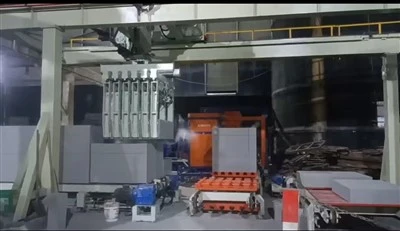
Let’s start with the main players. The key ingredient in aerated concrete blocks is usually fly ash. Fly ash is a by – product from coal – fired power plants. It’s super abundant and cost – effective. When we use fly ash in the production line, it gives the blocks their unique properties. It helps in reducing the overall cost of production because it’s readily available, and it also has a positive environmental impact by making use of a waste product. The silica in fly ash reacts with lime and cement during the autoclaving process (more on that later) to form a strong cellular structure. You typically need around 50% to 70% of fly ash in the raw material mix, depending on the specific quality requirements of the blocks.
Next up is lime. Lime is crucial for the chemical reaction that causes the aerated concrete to set and harden. There are two main types of lime used: quicklime (calcium oxide) and hydrated lime (calcium hydroxide). Quicklime is highly reactive and is often used when a fast – setting reaction is needed. Hydrated lime, on the other hand, is easier to handle and mix in the production process. Lime content usually ranges from 15% to 25% of the total raw materials. It reacts with the silica in the fly ash or other silica – rich materials to create calcium silicate hydrates, which are the building blocks of the final product’s strength.
Cement is another important raw material. It acts as a binder, helping to hold all the other components together. Portland cement is the most commonly used type. Cement provides early strength to the aerated concrete blocks, especially during the initial stages of production before the autoclaving process. The amount of cement used is generally around 10% to 20% of the raw material mix. It also helps in improving the workability of the mixture, making it easier to pour and mold into the desired block shapes.
Aluminum powder is a real game – changer in aerated concrete production. It’s what gives the blocks their characteristic porous structure. When aluminum powder is added to the mixture, it reacts with the alkaline environment created by the lime and cement to produce hydrogen gas. The hydrogen gas forms bubbles in the mixture, which expand and create a cellular structure. This makes the blocks lightweight and gives them good insulation properties. Usually, only a very small amount of aluminum powder is needed, around 0.05% to 0.1% of the total raw materials.
Gypsum is also used in the process. It helps in controlling the setting time of the aerated concrete. By adjusting the amount of gypsum, we can make sure that the mixture sets at the right pace. This is important because if it sets too quickly, it can be difficult to work with, and if it sets too slowly, the production process can be delayed. Gypsum is typically added in an amount of about 2% to 5% of the raw materials.
Water is, of course, an essential part of the mix. It’s used to make the raw materials into a workable slurry. The amount of water needed depends on the properties of the other raw materials and the desired consistency of the slurry. Generally, the water – to – solid ratio ranges from 0.5 to 0.6. Too much water can lead to a weaker final product, while too little water can make the mixture difficult to mix and mold.
In some cases, other additives can be used. For example, there are plasticizers that can improve the workability of the mixture without adding too much water. There are also air – entraining agents that can help in creating a more uniform cellular structure. These additives are usually used in very small quantities, but they can have a big impact on the quality of the final product.
Now, let’s talk about the quality of these raw materials. The quality of the fly ash is critical. It should have a high silica content and low carbon content. High carbon content can affect the chemical reactions during production and lead to weak blocks. The lime should be of high purity, and its reactivity should be consistent. The cement should meet the relevant industry standards to ensure reliable binding properties. The aluminum powder should have a proper particle size and reactivity to create the right amount and size of pores in the blocks.
When it comes to sourcing these raw materials, it’s important to find reliable suppliers. We as a production line supplier can often give you some recommendations based on our experience in the industry. We understand the specific requirements for each raw material and can help you make the right choices.
If you’re thinking about setting up an aerated concrete block production line, or if you’re already running one and looking to improve your process, you need to pay close attention to these raw materials. Using the right combination in the right proportions is the key to producing high – quality aerated concrete blocks.
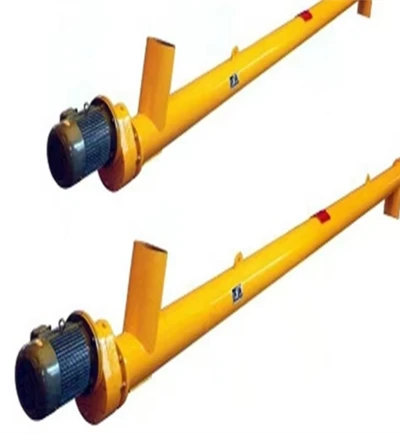
And hey, if you’re in the market for an Aerated Concrete Block Production Line, or if you have any questions about the raw materials or the production process in general, don’t hesitate to reach out for a chat. We’re here to help you figure out the best setup for your business and ensure you get the most out of your investment. Let’s talk about how we can work together to make your aerated concrete block production a success!
AAC Ingredient Pouring System References
- "Aerated Concrete: Science and Technology" by Yu. A. Popovics
- "Handbook of Construction Materials" by Waseem Abbas
Qingzhou Shuangfengda Machinery Engineering Co., Ltd.
As one of the most professional aerated concrete block production line manufacturers and suppliers in China, we’re featured by quality products and good price. Please rest assured to buy durable aerated concrete block production line for sale here from our factory. Customized orders are welcome.
Address: Gaojiazhuang Village, Gaoliu Town, Qingzhou City, Shandong Province
E-mail: lenhond@163.com
WebSite: https://www.sfdmachinery.com/
