Ever wondered how the lights in your home stay on during a sudden storm, or why a neighborhood blackout doesn’t spiral into a whole city outage? Let’s be real—most people don’t think about the messy, behind-the-scenes stuff that keeps power flowing. I’m part of a team that supplies switching stations to utilities, and honestly, I used to take this gear for granted too… until I spent three years troubleshooting a rural power grid project in the Pacific Northwest. That’s when I realized how much switching stations are the unsung middlemen of power systems. Let’s break it down, no jargon overload, promise. Switching Station
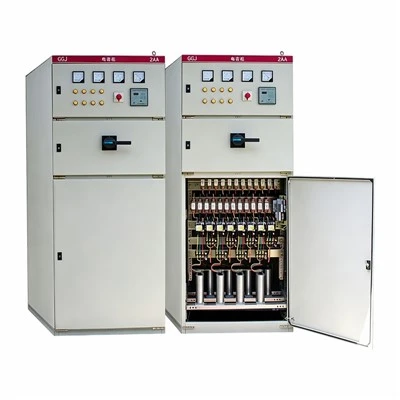
First off, let’s cut to the basics: what even is a switching station? If you think of the power grid like a pizza delivery route, the power plant is the kitchen (where the “pie” is made—your electricity, generated from coal, solar, wind, whatever). Substations are the mini hubs on every corner that crank up or drop down voltage so power can travel safely over long distances. A switching station is basically the traffic cop for that whole route. It doesn’t turn voltage up or down—its whole job is routing, directing, and protecting power where it needs to go. No fancy voltage transformers, no giant batteries—just heavy-duty switches, circuit breakers, and sensors that keep the grid from turning into a massive, tripped outlet.
Why does that matter? Let’s say a tree falls on a power line 10 miles from a small town. Without a switching station, that outage would cut power to every home and business on that line. But a switching station can instantly detect that fault, flip a switch, and reroute power around the damaged line—all in a fraction of a second. No more waiting for a lineman to show up and manually disconnect the line. It’s the difference between a 2-minute blip and a 4-hour blackout. That real-time reaction is why utilities rely on these stations way more than most folks realize.
Now, let’s talk about what goes into a switching station, since I sell this stuff I know exactly what’s non-negotiable here. First, the core gear: circuit breakers. These aren’t the little breakers in your basement panel—these are industrial-grade, can handle thousands of amps, and will snap shut faster than you can blink if they spot an overload or a short. Then there’s disconnectors (sometimes called isolators)—these are the switches that manually disconnect a line for maintenance, so linemen don’t get zapped while they’re fixing a broken pole. Sensors and protective relays? They’re the eyes and ears. They monitor voltage, current, and frequency 24/7, sending alerts if something’s off. Yeah, there’s transformers sometimes, but only for small local loads or to power the station’s own gear—nothing like the big transformers in a substation.
Wait, let’s clear up a common mix-up: switching stations vs. substations. A lot of people confuse ‘em, and honestly, I get it. Let’s use that pizza analogy again. Substations are the hubs where you prep the pie (adjust voltage, make it safe for local delivery). Switching stations are the ones that split the delivery routes. If a substation is the kitchen prep area, the switching station is the intersection where you split Route 1 to the north side of town and Route 2 to the south side. No voltage changes—just route changes, protection, and rerouting. That’s the key difference. I see this mix-up all the time when a new utility rep calls me, so I make sure to spell that out fast.
Now, when do utilities actually need a switching station? It’s not like they’re installing one for every neighborhood. We usually get calls when a grid needs to handle more power, or when a new wind farm or solar farm is going online. Let’s say a solar farm is built out in the middle of nowhere, and they need to send that power to two different substations 20 miles apart. A switching station is the middle point that splits that power without messing with voltage. Another big use case is grid maintenance. If a utility needs to upgrade a long-distance line, they can flip the switch on the station to reroute power through another line, so no one loses power while the work gets done. That’s a huge win for reliability.
Also, let’s talk about the ugly side: outages. A few years back, a winter storm knocked down power lines across Ohio and Pennsylvania. One utility that had our switching stations installed managed to reroute power around two damaged lines in under a minute. The other utility in the same area that didn’t had to wait 3 hours to get a crew to disconnect the downed lines. That’s when I realized switching stations aren’t just “nice to have”—they’re critical infrastructure. I’ve heard folks say “the grid is broken” but most of the fixes aren’t building new power plants—it’s upgrading the stuff that moves power, and switching stations are a huge part of that.
Now, a quick word from the supplier side, since that’s why I’m here. A lot of switching station vendors will try to sell you the cheapest gear, but let’s be real: this is stuff that has to work when it’s -20°F outside, or when a lightning bolt hits the line, or during a peak summer afternoon when everyone’s running ACs. We don’t cut corners on materials—our switches are tested to handle way more stress than they’ll ever see, our sensors are calibrated to detect tiny faults before they turn into full-out blackouts. We work with utilities to custom-design stations that fit their grid: some small for rural lines, some big for urban areas where they need to split power between multiple substations. No one-size-fits-all here, and that’s what makes our job worth it.
Wait, let’s touch on modern tech too. Back in the day, switching stations relied on manual switches—linemen would climb poles and flip switches with a big stick. Now? Most of our stations are digital, have remote monitoring, so a control room a hundred miles away can flip a switch if something goes wrong. That’s been a game-changer, especially for remote areas where getting a lineman to the site takes hours. I remember last year, we installed a digital switching station in northern Maine, where temperatures hit -30°F in winter. The control room in Portland detected a fault 50 miles away, rerouted power, and no one even noticed. That’s the kind of tech we’re building now.
But let’s not pretend it’s all perfect. There are still gaps in rural grids, and a lot of older switching stations are outdated. A lot of utilities have been running the same stations for 30+ years, and they’re starting to fail. That’s where we come in—upgrading old stations with digital gear, or installing new ones where they’re needed. A lot of people don’t think about this, but as we add more renewable energy (wind, solar), the grid needs to handle power flowing both ways—from the plant to the home, but also from home solar back to the grid. Switching stations are the ones that make that two-way flow safe and reliable.
So why does this all matter to you? Let’s be real, it’s not just utility stuff. Every time you have a power outage that’s over in 5 minutes instead of 5 hours, you can thank a switching station. Every time your AC stays on during a peak heatwave, or your fridge doesn’t spoil when a line goes down, that’s this gear working. It’s not flashy, it’s not on social media, but it’s the backbone of the power grid.
I’ve been in this business for 7 years, and the number of times a utility has told me “your switching station saved us from a massive outage” is crazy. It’s not just selling equipment—it’s helping keep people’s lights on, their businesses running, their fridges cold. That’s why I do this.

Now, if you’re a utility manager, a grid engineer, or someone who’s in charge of upgrading your local power infrastructure and you’re tired of working with vendors who don’t get your needs—reach out. We build switching stations that are tough, reliable, and tailored to your grid, no generic garbage. Whether you’re looking to replace an old station, add one for a new renewable project, or just want to make your grid more reliable, we’re here to help. Let’s chat about what you need, no pressure.
10kV Oil Immersed Distribution Transformer References
Electric Power Research Institute. (2021). Grid Reliability: The Role of Switching Stations. EPRI Journal.
North American Electric Reliability Corporation. (2022). Transmission Infrastructure Essentials for Modern Grids. NERC Report.
International Council on Large Electric Systems. (2020). Switching Station Design and Safety Protocols. CIGRE Technical Brochure.
U.S. Department of Energy. (2021). The Evolving Power Grid: Switching and Routing for Renewable Integration. DOE Grid Modernization Series.
Shandong Xunchi Electric Co., Ltd.
Shandong Xunchi Electric Co., Ltd. is one of the most professional switching station manufacturers and suppliers in China, featured by quality products and low price. Welcome to wholesale advanced switching station made in China here and get quotation from our factory. Customized orders are welcome.
Address: No.1 East Campus of Dachi Company on the North Ring Road, Yongchang Street Office, Chengwu County, Heze City, Shandong Province, China
E-mail: sdxcdq@126.com
WebSite: https://www.china-xunchielectric.com/
