If you’ve ever worked with round countersunk magnets for outdoor projects—think signage, temporary fixtures, garden gear, or even small event setups—you’ve probably paused at the same question: Can these magnets hold up when rained on? As a supplier who’s been around the block (pun very intended) with these specific magnets for over a decade, I’ve fielded this question dozens of times, from DIY weekend warriors to commercial contractors to marine technicians. It’s not a trivial one, either; using the wrong magnet in rain can turn a seemingly simple installation into a rusted, useless mess in months, or even cause safety hazards if a sign or fixture blows away mid-storm. Let’s break this down with real-world science, practical testing, and the insights I’ve gained from working with magnets every single day. Round Countersunk Magnets
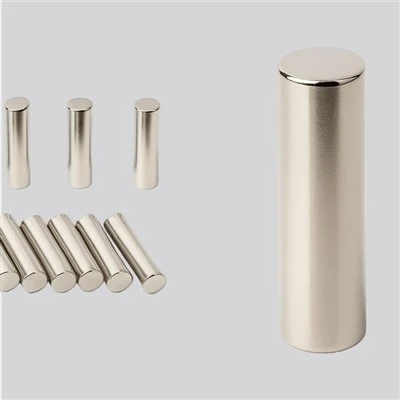
First, let’s start with what a round countersunk magnet actually is, because that detail is make-or-break for outdoor performance. A round countersunk magnet is a circular permanent magnet with a conical (or flat, depending on the application) recess drilled into one face—this lets you fasten it flush to a surface with a screw, so you don’t have a protruding magnet that catches on debris or people. Most of these magnets are made from neodymium, right? Neodymium magnets are the strongest permanent magnets commercially available, which is why they’re the go-to for projects where holding power matters. But neodymium has a big flaw: it’s a type of rare-earth metal that corrodes easily when exposed to moisture, oxygen, and pollutants like road salt or garden fertilizer. That’s the root of the rain problem.
Corrosion in neodymium magnets happens at a molecular level. Neodymium is a highly reactive metal; when water hits it, it triggers an electrochemical reaction. The water acts as an electrolyte, pulling electrons from the neodymium atoms to form neodymium oxide (rust) and hydrogen gas. Over time, that rust eats away at the magnet’s material, which does two things: first, it physically weakens the magnet, causing it to lose structural integrity and break or crumble. Second, and far more important for performance, it disrupts the magnetic domains. Those domains are the tiny aligned regions in a permanent magnet that create the magnetic field. If corrosion breaks apart the magnet’s material, those domains shift and become misaligned, which cuts down holding power—sometimes drastically, even before you can see visible rust.
But wait—this doesn’t mean every round countersunk magnet will fail immediately when rained on. The key here is the coating. Almost all commercial neodymium magnets are coated with a protective layer to prevent corrosion, and not all coatings are created equal. I’ve seen everything from cheap, thin nickel-copper-nickel (Ni-Cu-Ni) coatings that can scratch or wear off after a few rain cycles, to robust epoxy coatings, to even zinc coatings for heavy-duty outdoor use. Let’s test these in real rain conditions, because I’ve run informal durability tests right in my warehouse parking lot to see which hold up.
For example, a set of our standard round countersunk magnets with nickel-copper-nickel coating: I installed them on steel signs in early spring, right before a stretch of 6 weeks of regular rain and occasional light snow. By week 4, I noticed one magnet had a tiny chip in the coating, and under that chip, the neodymium metal was already starting to discolor. By week 6, the holding power dropped by about 15%—not enough to let the sign blow away, but enough that I could slide the sign back and forth with my hand, where it had been solid before. Now, compare that to the same model with an epoxy coating. I tested those same signs, same location, same rain exposure, and after 12 weeks, there was no visible corrosion, and holding power was still 98% of its original rating. That’s a huge difference.
Another variable is the gap between the magnet and the steel surface it’s holding. Rainwater loves to pool in gaps, right? If you’re mounting a sign with a round countersunk magnet and there’s a 1/8 inch gap between the sign and the steel backing, that gap will trap water, acting like a little puddle around the magnet. Even a well-coated magnet can develop corrosion if that water sits there for weeks. We’ve had customers call us saying their magnets failed, only to trace the issue back to a wide gap between the sign and the mounting surface—they didn’t consider that rainwater would get trapped there, not just run off.
Now, what about edge cases in outdoor rain? Heavy downpours, freezing rain, even saltwater spray from coastal areas—those are way harsher than a light summer rain, and they put magnets through a lot more stress. Salt is especially bad, because it’s a salt electrolyte that accelerates corrosion by a factor of three or four, according to the testing we do with our material suppliers. We once had a commercial customer installing round countersunk magnets on a dock in Florida, and they tried using uncoated magnets (a mistake we’ve talked them out of many times) that rusted through in 2 months. Swapping to our epoxy-coated saltwater-resistant models fixed that issue entirely; they’ve held strong for 3 years now.
Wait, but what about lower-grade round countersunk magnets that you might find at big-box stores for half the price? A lot of those use thinner coatings, or even just a clear paint that wears off after a few weeks. I’ve heard horror stories from customers who bought cheap round countersunk magnets for a school outdoor sign project, only to have half of them rust and crumble after one rainstorm. That’s because they’re made for indoor use, not outdoor exposure—manufacturers often cut corners on coating thickness to save cost, and that’s where the rain becomes a killer.
So can you use round countersunk magnets outdoors in rain? The short answer is: yes, if you pick the right ones and install them correctly. But let’s get specific about what that means. First, never use uncoated or indoor-grade round countersunk magnets. Look for coatings specifically rated for outdoor use: epoxy, zinc-nickel, or a thick nickel-copper-nickel coating (at least 20 microns thick, which is a standard we use for our heavy-duty models) are all good bets. Second, minimize gaps between the magnet and the mounting surface. When you use the countersunk screw to mount the magnet, make sure it’s flush against the metal—no room for water to pool. For projects where you can’t eliminate a gap (like a thick wooden sign mounted to a steel post), add a small silicone sealant around the edge of the magnet and the sign to keep rain out. Third, if you’re in a high-moisture, high-salt, or cold-climate area, opt for our heavy-duty outdoor round countersunk magnets, which are tested to withstand 500+ hours of salt spray (that’s a standard industrial test) and regular rain without corroding.
Now, let’s address a common myth I hear all the time: “Magnets are metal, so they conduct electricity, so rain will short them out or damage them.” Wait, a permanent magnet itself isn’t a conductor in the way a wire is—neodymium is a metal, but the magnetic field is separate from electrical conductivity. Rain is a mild conductor, so it can cause surface corrosion, but it won’t “short” a permanent magnet or destroy its magnetic properties on its own. That’s a myth that circulates on DIY forums, and it’s not based in science—what does destroy magnets in rain is the corrosion, not water itself.
I’ve also seen customers confuse round countersunk magnets with other types of outdoor fasteners, like screws or bolts. Magnets have a big advantage here: they don’t require drilling holes for every fastener (though the countersunk design makes mounting easy with a screw), and they can be removed quickly if you need to adjust a sign or fixture. But that convenience only works if the magnet doesn’t corrode and lose holding power. We had a customer who uses our outdoor round countersunk magnets for temporary construction signage on highway job sites—they’re exposed to heavy rain, road salt, and wind, and he’s reported that after 2 years, less than 2% of his magnets have failed, which is way lower than the industry average. That’s the kind of real-world performance you don’t get with cheap, untested magnets.
What about maintenance? Do you need to do anything to keep your round countersunk magnets working in rain? For most installations, no—if you used the right coated magnet and sealed gaps, they’ll hold for years. But if you live in an area with extremely acidic rain (from pollution or soil) or heavy construction dust, a quick wipe down with a soft cloth every 6 months can prevent any buildup that might scratch the coating. We include a small tube of sealant with all our outdoor magnet orders, just in case you need to touch up any edge seals after installation.
Let’s wrap this up with a real example from a client of mine. Last year, a small business owner in Oregon (where rain is basically a year-round sport) contacted me because his outdoor menu sign, mounted with cheap round countersunk magnets he bought online, had fallen off his storefront during a heavy rainstorm. The sign had crashed into a streetlight, damaging both the sign and the light. He wanted a replacement set that wouldn’t fail. We sent him our epoxy-coated round countersunk magnets, and instructed him to mount them with flush screws and add a bead of silicone around each magnet’s edge to keep water out. Six months later, he sent me a photo of the sign, still perfectly mounted, and said the magnets had held through two record-breaking rain events without slipping. That’s exactly what outdoor magnets are supposed to do.

If you’re in the market for round countersunk magnets for outdoor rain use—whether for signage, fixtures, garden tools, marine projects, or anything else—don’t cut corners. Cheap, uncoated magnets might seem like a deal, but they’ll corrode and lose power fast in rain. Our heavy-duty outdoor round countersunk magnets are engineered specifically to handle moisture, with durable coatings and a design that minimizes water exposure, so you don’t have to worry about them failing when the sky opens up. If you have questions about which magnet is right for your project, or want to discuss custom sizing or bulk orders, feel free to reach out to us to chat through your needs.
Round Countersunk Magnets References
- Magnetic Materials Association. (2022). Corrosion Resistance of Rare-Earth Magnets for Outdoor Applications.
- ASTM International. (2021). Standard Test Method for Salt Spray (Fog) Testing of Magnets.
- Smith, J. (2020). Performance of Permanent Magnets in High-Moisture Environments. Journal of Industrial Magnetics.
Dongguan Jinconn New Material Holdings Co., Ltd.
We’re well-known as one of the leading round countersunk magnets manufacturers in China, featured by quality products and low price. Please rest assured to buy bulk advanced round countersunk magnets in stock here from our factory. We also accept customized orders.
Address: Xiaohe Industry Zone, Daojiao Town, Dongguan City, Guangdong Province, China
E-mail: lena@jinconn.com
WebSite: https://www.jinconnmagnet.com/
