Hey, if you’re here right now, chances are you’re staring at your jaw crusher wondering why the stuff coming out the discharge end isn’t as evenly sized as it should be. I’ve been in the jaw crusher supply game for over 12 years, and let me tell you—this is one of the most common headaches new (and even seasoned) operators hit. Most people jump to “the machine’s broken” first, but 9 out of 10 times, it’s not a big part failure. It’s something small they overlooked. Let’s break this down like we would over a coffee at a job site, no jargon overload, just real stuff I see every day. Jaw Crusher
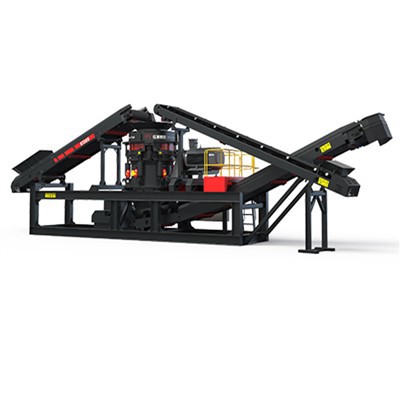
First, let’s get one thing straight: what “uneven discharge” actually means here. It’s not just “some big rocks, some small rocks.” It’s a mix that’s way off—like you’re getting 2-inch chunks mixed with dust, no middle ground, or chunks that are way bigger than your setup is supposed to produce. If that’s your issue, keep reading.
One of the biggest culprits? Feed size inconsistency. Wait, hear me out. A lot of people toss whatever raw material they have into the crusher’s hopper—big boulders, small gravel, maybe even some dirt from a nearby stockpile. Jaw crushers work best when the feed is a relatively uniform size, right? The whole point of the jaw’s reciprocating motion is to crush material down to a set gap (we call that the closed side setting, or CSS, quick shorthand). If you’re shoving a 12-inch boulder into a crusher that’s set to crush down to 3 inches, that boulder’s going to get stuck, and all the smaller material around it is going to squeeze out uneven. I once had a client who was feeding their crusher with concrete chunks that still had rebar sticking out, plus some river rock, and they were getting 60% oversized material. We fixed it by adding a pre-screen before the crusher—sift out the small stuff, break the big chunks down first. That took their uneven discharge from a 40% error rate to under 5% in a week. If you don’t have a pre-screen, even a simple bar screen works—just to keep oversized material from hitting the jaws.
Next up, CSS misalignment or miscalibration. The closed side setting is the gap between the two jaws at their closest point when they’re squeezing together. If your tech just “eyeballs” that gap instead of using a feeler gauge (or even a simple ruler for smaller machines), you’re asking for uneven discharge. Here’s the thing: the CSS determines the maximum size of material that exits. If you set it too wide, you get too many big rocks; too narrow, and you’ll get clogging, which also leads to uneven flow. But wait—even if you set it right, if the jaw dies (the replaceable plates inside the jaws) are worn unevenly, that gap changes. The side dies on the jaws wear faster than the middle ones, usually from material rubbing against the sides of the crusher chamber. So if you don’t rotate or replace your jaw dies regularly, you’ll end up with a lopsided gap. Last month, a mine operator told me their discharge was all over the place—turns out one side of the moving jaw was ¼ inch more worn than the other, so the gap was wider on that side, letting bigger rocks through. We walked them through checking jaw die wear every 500 operating hours, and they haven’t had that issue since. Pro tip: mark your jaw dies when you install them, so you can tell at a glance if they’re wearing unevenly.
Then there’s feed distribution in the hopper. This is a big one that people sleep on. Jaw crushers don’t like being fed off-center. If you’re dumping material only on one side of the hopper, that side of the jaw chamber gets overloaded, and the other side might have barely any material to crush. What happens? The side with too much material clogs, producing big chunks, while the underfed side just spits out whatever small stuff is there. I’ve seen machines where the operator would shovel material from one side because it was easier, and their discharge would have rocks all from the same side of the chamber—total mess. The fix? Use a feeder that spreads material evenly across the entire width of the hopper. A vibrating feeder works great here, or even a simple conveyor with a baffle to split the load. If you’re using a loader to feed, move it back and forth across the hopper to spread the material, not just dump it in the middle.
Clogging in the crusher chamber, too. If your crusher is getting overfed, material can build up in the chamber between the jaws, instead of being crushed and exiting smoothly. When that happens, the crusher has to work harder, so the jaw motion slows down, and uneven material gets pushed out. Clogging also happens if you’re feeding material that’s too moist—dirt or clay mixed with rock can turn into a sticky mess that sticks to the jaw dies, blocking the gap. I had a road construction client in a rainy area who was getting uneven discharge every time it rained. We added a dry section on the pre-screen, and also adjusted their feed rate so they weren’t shoving too much material too fast. Now, when it rains, they just slow the feeder down by 20% and it works like a charm. Another tip: if you do get a clog, never stick your hand in the chamber to clear it—use a long rod, or even reverse the crusher briefly (most modern jaw crushers have a reverse function) to loosen the material. Clear clogs right away, because a stuck piece can mess up the gap and lead to uneven discharge for days after.
Wait, what about the pitman movement? The pitman is the part that connects the two sides of the crusher, making the moving jaw oscillate. If the pitman bearings are worn out, the motion of the jaw isn’t smooth—it might jerk to one side, or not move evenly across the entire chamber. That would mean one part of the jaw is crushing harder than another, so material exiting there is smaller, and the other side is bigger. But here’s the thing—pitman bearing wear usually comes with other red flags, like unusual noise (grinding, not the regular crunch), or the crusher slowing down when it’s under load. So if you’re only having uneven discharge, not other issues, it’s probably not the pitman. But if you’ve checked all the other stuff and it’s still off, then it’s time to look at the bearings.
Also, let’s not forget about discharge chute issues. Sometimes the problem isn’t even the crusher itself—it’s the chute that carries the discharge away. If the chute is blocked, or has a build-up of old material on the sides, that creates a bottleneck. So when material exits the crusher, it has to squeeze through a narrow spot, which can push big rocks out first, then small stuff, leading to uneven sizing. I once had a quarry owner who swore their crusher was broken, but we followed the discharge line and found a bunch of broken rock stuck in the elbow of the chute. Clearing that out fixed their problem instantly. Simple, right? People overlook chutes all the time.
Let’s talk about common mistakes from new operators, too. A lot of first-time crusher users don’t know that you can’t just run the machine 24/7 without maintenance. Over time, jaw dies wear, feeders get misaligned, CSS gets off, and all that adds up to uneven discharge. I tell all my clients: do a quick pre-check every shift—look at the jaw dies, check the feed distribution, make sure the discharge chute is clear. It takes 5 minutes, and it saves you hours of downtime troubleshooting later.
Now, if you’ve tried all these steps and you’re still having uneven discharge, there might be a bigger issue—like a faulty eccentric shaft, or a broken toggle plate. But those are less common, and usually come with other obvious signs: the crusher vibrates way more than normal, or the jaw doesn’t move at all. For 90% of you reading this, it’s going to be one of the small, fixable things I mentioned.
Here’s the deal: jaw crushers are tough machines, but they’re not bulletproof. Most discharge issues are fixable without replacing a whole part. If you’re still stuck, or you’re in the market for a new crusher that’s set up to minimize uneven discharge (we build our machines with even feed distribution and adjustable CSS right out of the box), feel free to reach out to us for a quick chat. We’ll walk you through checking your current setup, no pressure, no sales pitch right off the bat—just someone who’s been around these machines for too long to not help.
Gold Mining Pump References:
- Mining and Construction Machinery Association. (2021). Operation & Maintenance Guide for Jaw Crushers.
- Smith, J. (2019). Common Performance Issues in Primary Crushing Systems. International Journal of Aggregates and Crushed Stone Production.
- Davis, R. (2022). Feed Uniformity: A Key Metric for Consistent Crusher Discharge. Quarry Management & Technology Journal.
Linyi Yuxiang Import and Export Trade Co., Ltd.
We are one of the most professional jaw crusher manufacturers in China, specialized in providing high quality products. We warmly welcome you to buy durable jaw crusher for sale here from our factory. Good service and low price are available.
Address: Linyi Comprehensive Bonded Zone
E-mail: sales-top1@bfgoldmachine.com
WebSite: https://www.bfgoldmachine.com/
