If you’ve ever used an acoustic office booth—whether for a quick client call, a focused deep work session, or to escape the constant chatter of an open plan office—you know how much of a difference a well-maintained one makes. As a supplier of acoustic office booths, I’ve spent years not just designing and delivering these spaces, but also walking clients through how to keep them performing as well on day 1000 as they did on day 1. A booth that’s falling apart, has dirt-caked acoustic panels, or leaks sound isn’t just useless—it can actually erode the very purpose you bought it for: private, distraction-free work. Acoustic Office Booth
Most office managers treat acoustic booths like “set-it-and-forget-it” pieces of furniture, but that’s a mistake. The science of how these booths work relies on every component functioning as intended: porous materials absorbing sound, sealed gaps stopping noise transfer, and structural integrity keeping the booth’s shape (which directly impacts its acoustic performance). Neglect any of those, and you’ll end up with a space that’s quieter than the open office, sure, but not nearly as quiet as it could be. Over 70% of the acoustic complaints our service team gets are from booths that only needed basic maintenance, not a full replacement. That’s why I wanted to break down, step by step, exactly how to maintain your acoustic office booth to keep it performing for years.
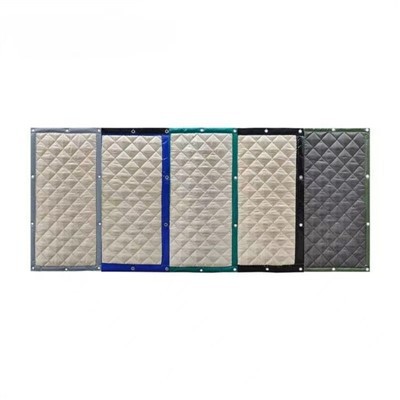
First, let’s start with the part that does the heavy lifting: the acoustic panels. These are the porous, fabric-wrapped panels that line the walls, ceiling, and sometimes floor of your booth, and their job is to absorb airborne sound before it bounces around the small space. Over time, they collect dust, pet hair, and even crumbs from lunch meetings—stuff that clogs the tiny pores in the panel material, making it far less effective at soaking up noise. A clogged panel can lose 30-40% of its sound absorption capability, according to acoustical engineering standards from the Acoustical Society of America (ASA). That’s a big hit for a space that’s supposed to be a quiet refuge.
Cleaning acoustic panels is simple, but you can’t just spray them with any cleaner or scrub hard. For daily or weekly upkeep, use a soft-bristled vacuum brush attachment—no high-power suction, which can pull fibers out of the panel’s fabric or even damage the porous core inside. Run the brush gently over the surface, paying extra attention to corners and the lower half of panels, where dust and debris tend to settle. If there’s a stain (think coffee spills or marker smudges) on the fabric, test a tiny, inconspicuous spot first with a mild, pH-neutral detergent diluted in water. Dab at the stain with a clean cloth—never rub, which spreads the stain and can ruin the panel’s integrity. For tough stains, we recommend calling a professional upholstery cleaner who specializes in porous fabrics; harsh chemicals can break down the panel’s acoustic properties over time. Also, skip static cloths or feather dusters—they can leave lint that also clogs pores.
Next, check the seal around the booth. Even the best acoustic panels won’t work if there’s a gap around the door, between the booth and the wall, or at electrical outlets that lead into the space. Noise leaks through those gaps way easier than through solid materials, and over time, those seals can fail. The door gaskets (the soft, foam or rubber strips that line the door frame) can get crusted with dirt, misalign with age, or stretch out, creating gaps. To check for seal leaks, do a quick “sound test”: have one person stand inside the booth speaking at a normal volume, and another person stand just outside. If they can hear every word, you’ve got a gap. For door gaskets, wipe them down with a damp cloth to remove dirt buildup, then make sure the door closes evenly—adjust the door hinges if needed, so it presses firmly against the gasket all the way around. If the gasket is cracked or flattened beyond use, replace it (most booth suppliers sell compatible gaskets for their models). Also, check the gap between the back of the booth and the office wall—if it’s more than a quarter-inch, that’s a spot for noise to escape; use acoustic caulk (not regular silicone) to fill that gap. Acoustic caulk is designed to block sound transfer, unlike standard caulk which is just for sealing drafts.
Don’t forget the structural frame of the booth, either. Acoustic booths are built to be rigid—any wobble or loose screw can throw off the balance of the panels, since they rely on being mounted flush to absorb sound properly. Over time, people leaning against the walls, opening and closing the door, or moving the booth (if it’s a mobile model) can loosen bolts and screws. Every quarter, do a quick walkthrough: check all visible screws on the frame, door hinges, and panel mounting brackets. Tighten any loose screws, but don’t overdo it—you can strip the hole, which makes it harder to keep panels secure. For mobile booths, also check the wheel locks; if they stick, clean them with a mild lubricant (like silicone spray, not WD-40 which can attract dust) to keep the booth stable when in use. A wobbly booth isn’t just annoying—it can actually create unwanted sound vibrations that carry through the floor or walls, defeating the purpose of the acoustic design.
Then there’s the interior, which might seem trivial, but actually impacts acoustic performance too. The booth’s interior finishes (like the desk, chair, and any accessories you add) affect how sound reflects inside the space. For example, a hard plastic desk or a metal chair can cause sound to bounce around, making calls echo. A soft desk mat or a fabric chair cushion can help absorb that interior echo, but keep those accessories clean too—same as the panels, crumbs and dust on soft surfaces reduce their effectiveness. Also, if you’re using the booth for video calls, don’t hang posters or heavy decor on the interior walls—those can shift or warp over time, changing the angle of sound reflection inside the booth. For small booths (under 50 square feet), even a minor shift in wall material can change the overall noise level by 5-10 decibels, which is the difference between a call that sounds clear and one that’s hard to follow.
Another common maintenance task is checking the ventilation system. Most acoustic booths have a built-in ventilation fan to keep the space comfortable, especially when multiple people use it at once. But that fan can also be a source of noise if it’s clogged with dust. A dust-caked fan works less efficiently, and can make a high-pitched whine that disrupts calls or focused work. Every month, remove the fan grille (most are held on with simple clips or screws) and gently vacuum the fan blades and grille. If the filter is reusable, rinse it with mild soap and water, let it dry completely, and put it back. If it’s a disposable filter, replace it according to your supplier’s recommendations—usually every 3-6 months. Also, make sure the ventilation path isn’t blocked by papers, cables, or other items stuffed near the fan; a blocked fan has to work harder, leading to more noise and reduced performance.
Now, let’s talk about seasonal or long-term checks. If your office is in a climate with extreme temperature or humidity changes (like a hot, humid summer or a cold, dry winter), that can affect the booth’s materials. High humidity can make foam gaskets swell or mold, while dry air can make wooden frame components crack. Every six months, check for mold on gaskets or panels (especially if the booth is in a poorly ventilated corner of the office)—if you find it, use a mixture of white vinegar and water to wipe it away, since bleach can damage porous acoustic materials. For dry climates, consider adding a small humidifier (but keep it at least a foot away from the booth’s walls) to prevent wood or foam from drying out and cracking. For very cold offices, make sure the booth isn’t near a window that lets in cold air, as temperature fluctuations can warp frame components over time.
Many offices also overlook testing the booth’s acoustic performance annually. Just because it worked when you first installed it doesn’t mean it will stay that way. You don’t need a fancy sound meter (though they’re useful for detailed checks)—a simple test is all you need. Stand just outside the booth, play a constant sound (like a steady tone on your phone) inside, and note how loud it is. If it’s louder than 45 decibels (the standard for private phone calls), that’s a sign you have a leak or clogged panels. For deeper testing, you can hire an acoustician, but for most small to medium offices, a quick monthly sound check is enough to catch issues before they get worse.
I’ve seen too many offices buy an acoustic booth, then let it collect dust and ignore small issues until the whole thing stops working as intended. The good news is that most maintenance is simple, takes less than an hour a month, and costs almost nothing. A small investment in upkeep can extend your booth’s lifespan by 5-10 years, and keep it delivering the quiet, private space you hired it for in the first place.
If you’re noticing your acoustic booth isn’t performing as well as it used to, or you’re looking to add new booths to your office, we’re here to help. We don’t just supply acoustic office booths—we also provide maintenance guides, replacement parts, and service checks to keep your spaces running smoothly. Whether you need a quick tune-up for your existing booth or want to explore new designs, we can work with you to find the right solution for your office. Reach out to our team to discuss your needs, and we’ll walk you through every step, from maintenance to installation.
Suspended Ceiling Baffles References
Acoustical Society of America. (2021). Handbook of Acoustics: Sound Absorption and Noise Control. American Institute of Physics.
Occupational Safety and Health Administration (OSHA). (2020). Guidelines for Office Noise Control and Privacy. U.S. Department of Labor.
International Code Council (ICC). (2019). Acoustic Barrier Standards for Commercial Interior Spaces. International Code Council.
Guangzhou MQ Acoustic Materials Co., Ltd.
Guangzhou MQ Acoustic Materials Co., Ltd. is one of the most professional acoustic office booth manufacturers and suppliers in China, featured by quality products and low price. Welcome to buy CE approved acoustic office booth in stock here and get quotation from our factory. We also accept customized orders.
Address: Room D306, KeZhu Business Building, ZhuJi Road, TianHe District, GuangZhou, China
E-mail: sales002@mq-acoustics.com
WebSite: https://www.acoustic-projects.com/
